
The forehead has become one of the most expressive areas of the modern face. In a world dominated by video calls, selfies, and high-definition cameras, subtle lines that once went unnoticed are now magnified on screens. Horizontal forehead creases, formed through years of raising eyebrows and expressing emotion, often appear earlier than expected.
Today, Forehead crease reduction is less about chasing youth and more about adapting to how we present ourselves in an increasingly digital society.
Why Forehead Lines Form Earlier Than You Think
The forehead contains one of the most active muscle groups in the face. Every time you show surprise, concentration, or curiosity, the frontalis muscle contracts. Over time, repeated movement creates fine lines that eventually remain visible even at rest.
Modern habits accelerate this process. Frequent screen use causes subtle eyebrow lifting and squinting. Stress-related tension also keeps forehead muscles partially engaged throughout the day. Combined with natural collagen decline, these factors contribute to earlier and deeper crease formation.
Prevention in the Era of Early Aesthetics
One of the biggest shifts in cosmetic medicine is the rise of preventative treatment. Many individuals now explore subtle interventions before lines become deeply etched.
Daily sun protection is foundational. Ultraviolet exposure breaks down collagen and elastin, weakening the skin’s ability to resist folding. Hydrating serums containing hyaluronic acid can improve skin plumpness, while retinoids stimulate cell turnover and collagen renewal.
Modern Non-Surgical Treatments
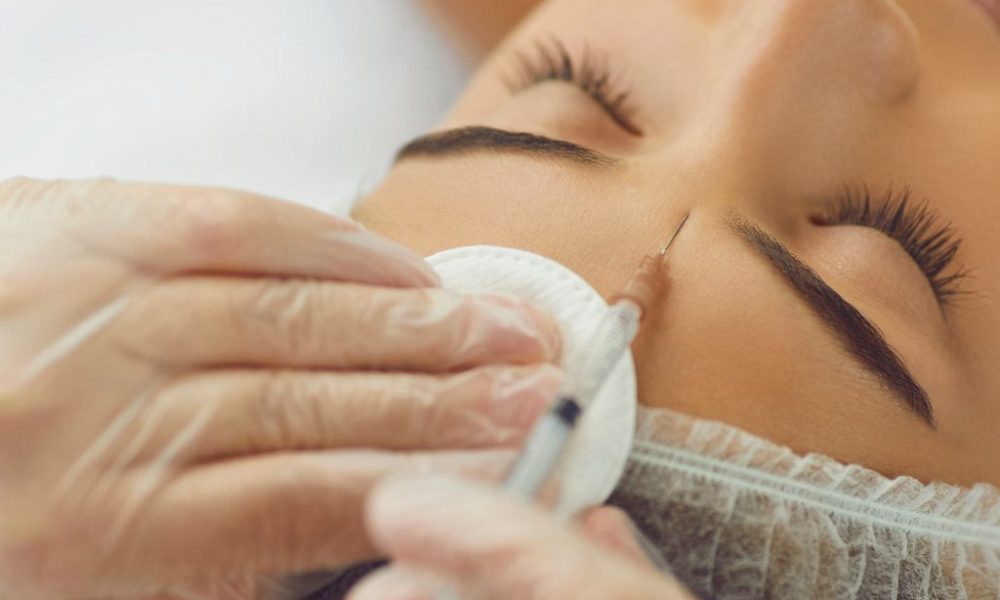
When creases persist even with skincare, professional solutions become an option. The most common method for Forehead crease reduction involves neuromodulators that temporarily relax the frontalis muscle. By softening muscle contractions, the overlying skin smooths out and prevents deeper line formation.
Treatment sessions are typically brief and minimally invasive. Results develop gradually within a few days and can last several months. With consistent maintenance, lines may appear less pronounced over time because the skin is given an opportunity to recover from constant folding.
Balancing Smoothness and Natural Expression
A common concern with forehead treatments is the fear of looking frozen or expressionless. Modern techniques emphasize precision and moderation. The objective is not to eliminate movement entirely but to soften excessive creasing while preserving natural facial dynamics.
An experienced practitioner carefully assesses brow position and facial symmetry before treatment. Over-relaxation can cause heaviness in the brow area, so balanced dosing is essential. When performed skilfully, results appear subtle and refreshed rather than artificial.
Long-Term Skin Health Matters
While aesthetic treatments can significantly improve appearance, maintaining skin quality remains crucial. Consistent hydration, antioxidant-rich skincare, and healthy lifestyle habits extend the longevity of professional treatments.
Adequate sleep supports skin repair, while a balanced diet rich in vitamins and minerals helps preserve collagen production. Combining professional care with daily maintenance creates sustainable results.
A Cultural Shift in How We Age
There has been a noticeable cultural shift toward embracing refinement rather than dramatic change. Individuals increasingly seek treatments that align their outward appearance with how energetic and confident they feel internally.
Making an Informed Decision
Every face ages uniquely. Genetics, lifestyle, and environmental exposure all influence how quickly lines develop. A personalized consultation ensures that treatment decisions align with your anatomy and expectations.
Forehead creases tell stories of surprise, curiosity, and emotion. Choosing to soften them is a personal decision rooted in self-perception and confidence. With modern techniques and thoughtful planning, it is possible to maintain expressive movement while achieving smoother, more balanced skin.
