
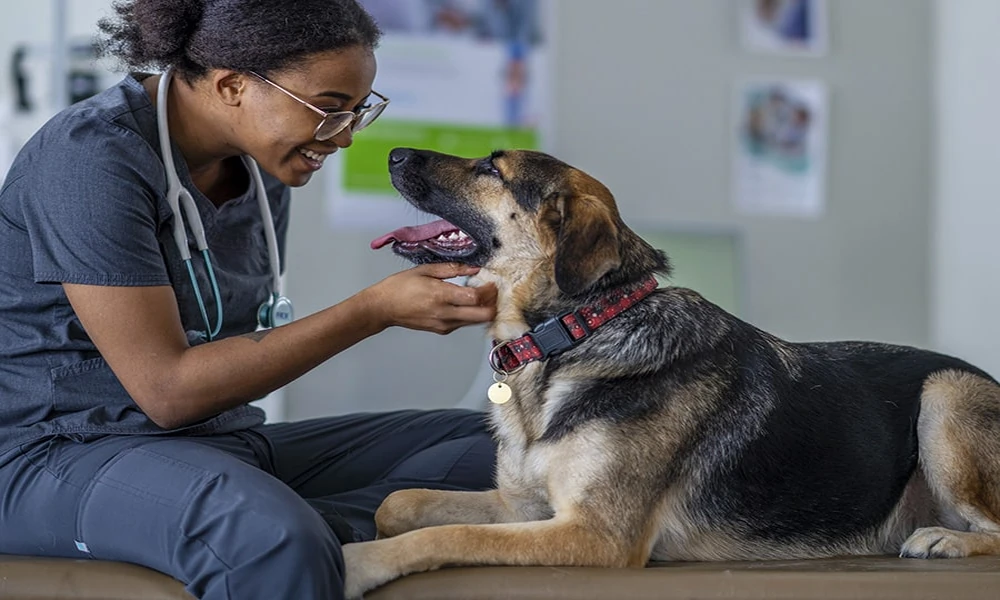
You know your pet better than anyone. You notice the smaller appetite, the extra nap, the change in mood, the scratching that seems a little more frequent than usual. Most of the time, the worry starts before there is a clear problem. You are left wondering whether it is nothing, whether you should wait, or whether missing one early sign could turn into something harder and more expensive later. That is when reaching out to an experienced veterinarian in Encinitas, CA can help you feel more confident about what to do next.
That is where wellness care matters. Good preventive care is not just a yearly visit and a few vaccines. It is a steady way to track your pet’s health, catch changes early, manage risk, and help your dog or cat stay comfortable through every life stage. How Animal Hospitals Provide Comprehensive Wellness Care comes down to one simple idea. They look at the whole picture, not just the symptom that brought you in.
Animal hospitals support preventive pet care across every stage of life
Puppies and kittens need one kind of attention. Senior pets need another. Adult pets often fall in the middle, where they seem healthy until something subtle shifts. An animal hospital builds wellness care around age, breed, lifestyle, and medical history, which means a pet that lives indoors full time may need a different plan than one that hikes, boards, or spends time around other animals.
That kind of planning usually includes physical exams, vaccines, parasite prevention, nutrition guidance, dental checks, weight monitoring, and lab work when needed. A routine exam can uncover issues owners do not always see at home, such as dental pain, early arthritis, skin disease, heart changes, or weight gain that is starting to strain the joints. Those findings matter because pets hide discomfort well. By the time they act sick, the problem may already be advanced.
At a teaching and community setting such as the Cornell Small Animal Community Practice, wellness care is part of a broader system of ongoing support. That model reflects what many strong animal hospitals aim to provide, which is consistent monitoring, informed recommendations, and care that adapts as your pet’s needs change.
Wellness care reduces the strain of surprise illness and delayed treatment
Many owners do not skip care because they do not love their pets. They skip because life gets busy, money gets tight, and their animal seems fine. That is real. The trouble is that waiting often shifts a manageable issue into a larger one. A mild dental problem can become infection. A slow rise in weight can turn into joint pain or diabetes risk. A minor skin issue can become chronic because the cause was never identified.
You may also face the stress of mixed advice online. One source says watch and wait. Another says go in right away. That uncertainty can make people freeze. A reliable pet wellness care plan gives you a baseline, so you are not guessing from scratch every time something changes.
Medical care at an animal hospital also connects prevention with treatment. If your pet develops an issue during a wellness visit, the next steps can happen faster because the team already knows your pet’s history, vaccination status, prior lab results, and normal exam patterns. You can see that approach in this overview of community practice medical care, where routine and problem focused services work together rather than existing as separate pieces.
Animal hospital services often catch problems before pets show obvious signs
One of the hardest parts of pet ownership is that animals cannot tell you where it hurts. They keep eating, playing, and greeting you at the door, even when something is off. That is why regular exams matter so much. A veterinarian may notice a heart murmur, abdominal tension, early gum disease, ear inflammation, or a suspicious lump long before it affects your pet’s behavior in a way you can clearly recognize.
This is also where routine testing has value. Fecal tests can find parasites before they lead to bigger digestive issues. Bloodwork can reveal changes in kidney or liver function. Weight checks over time can show trends that are easy to miss when you see your pet every day. In older pets, these details become even more useful because age related disease often begins quietly.
| Approach | What It Usually Includes | Likely Outcome |
|---|---|---|
| Reactive care only | Visits mainly after symptoms appear, limited baseline records, fewer routine screenings | Higher chance of delayed diagnosis, more urgent treatment decisions, larger surprise costs |
| Routine wellness care at an animal hospital | Regular exams, vaccines, parasite prevention, dental checks, nutrition review, screening tests based on age and risk | Earlier detection, steadier health tracking, more treatment options if a problem develops |
The difference is not just medical. It affects your daily life too. Early treatment usually gives you more time to make decisions, compare options, and avoid the panic that comes with an emergency. That alone can ease a lot of pressure.
Strong veterinary wellness services rely on partnership, not one size fits all care
Good care is not a script. It is a conversation built around your pet and your reality. If your cat becomes terrified in the carrier, that matters. If your dog has a sensitive stomach, that matters. If cost is a concern, that matters too. A thoughtful animal hospital helps you prioritize what needs to happen now, what can be monitored, and what should be planned for later.
This is why veterinary wellness services are most useful when they are consistent. One visit can help, but patterns over time tell the fuller story. A slight weight increase this year, a small dental change next year, a mild lab shift after that. Taken alone, each may seem minor. Together, they guide better care.
Three steps you can take now to protect your pet’s health
Schedule routine exams before there is a problem. If your pet has not had a wellness visit within the last year, start there. Senior pets and animals with ongoing conditions may need more frequent monitoring.
Track changes at home. Write down changes in eating, drinking, bathroom habits, energy, mobility, breath odor, scratching, or weight. Small details give your veterinary team a clearer picture and can speed up diagnosis.
Ask for a prevention plan that fits your pet. Request guidance on vaccines, parasite control, dental care, diet, and screening tests based on age and lifestyle. A tailored plan works better than generic advice.
Your pet depends on you to notice when something feels off, and you do not have to sort through that worry alone. Regular wellness care gives you a clearer path, fewer surprises, and a better chance of catching trouble early. When you are ready, reach out to an animal hospital and set up the next visit. That one step can make the next year a lot easier for both of you.
