
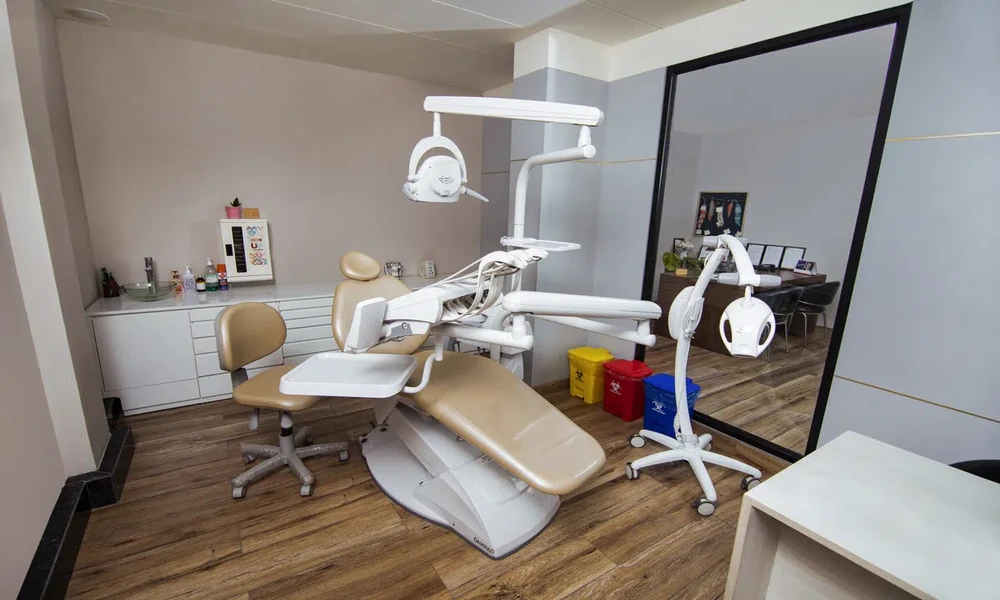
A comprehensive dental examination is more than a quick look at your teeth. It is a detailed assessment of your oral health that helps detect problems early, plan treatment and prevent future issues. Many patients visiting a dentist orchard for the first time wonder what the examination involves. This article explains the typical steps, so you know what to expect and how to prepare. It is general information, and the exact process varies between clinics and patients.
Why a Comprehensive Examination Matters
Many dental problems develop without obvious symptoms. Early decay, gum disease and other issues may not cause pain until they are advanced. A comprehensive examination helps detect these problems early, when treatment is often simpler. It also provides a baseline record of your oral health for future comparison. It is often recommended for new patients even if they have no symptoms.
Medical and Dental History
The examination usually begins with questions about your medical and dental history. The dentist may ask about medical conditions, medications, allergies and previous dental treatments. Some conditions and medications can affect oral health or dental treatment. Being open helps the dentist provide safe, appropriate care. Pregnancy, heart conditions and certain medications are examples of information the dentist needs.
Discussing Concerns
The dentist will ask whether you have any concerns, such as pain, sensitivity, bleeding gums or dissatisfaction with your smile. Sharing these concerns helps focus the examination. Even minor issues are worth mentioning, as they can provide clues to underlying problems. Patients who feel anxious about dental visits should mention this too.
Examining Teeth
The dentist examines each tooth for signs of decay, cracks, wear and existing restorations. They check fillings, crowns and other dental work for damage or leakage. The dentist typically looks for:
- Early decay and soft spots
- Cracks and fractures
- Wear from grinding or acid
- Leaking or broken fillings
Tools such as mirrors and probes help detect problems that may not be visible to patients.
Gum Assessment
Gum health is a key part of the examination. The dentist checks for signs of inflammation, bleeding and recession. They may measure the depth of spaces between teeth and gums, known as periodontal pockets. Deeper pockets can indicate gum disease, which may require treatment. Gum disease is common and often painless in its early stages. Bleeding when brushing is a common early sign worth mentioning.
X-Rays
X-rays help detect problems not visible during a visual examination. They can reveal decay between teeth, bone loss, infections and issues with tooth roots. The dentist decides which X-rays are needed based on your history and examination. X-rays provide important information for diagnosis and planning. Modern digital X-rays use low radiation doses.
Bite and Jaw Assessment
The dentist assesses how your teeth meet and how your jaw moves. Problems with bite can contribute to tooth wear, jaw discomfort or headaches. Signs of grinding or clenching may also be noted. A dentist orchard may check the jaw joints for clicking, pain or restricted movement. These findings may lead to advice on night guards or further assessment. Missing teeth can also affect how the bite works.
Oral Cancer Screening
Many comprehensive examinations include a check of the soft tissues in the mouth, including the tongue, cheeks, palate and throat. The dentist looks for unusual patches, lumps or sores. Early detection of abnormalities can be important, and suspicious findings may be referred for further assessment. The check is quick and painless.
Cleaning and Scaling
Depending on the clinic and your needs, the examination may be followed by professional cleaning. Scaling removes plaque and tartar that brushing cannot. Polishing helps remove surface stains. Cleaning supports gum health and allows the dentist to examine teeth more clearly. Some patients need more frequent cleaning than others. Brushing advice may be given at the same time.
Discussing Findings
After the examination, the dentist explains the findings. They describe any problems detected, their causes and possible treatments. This is an opportunity to ask questions and understand your oral health. Clear communication helps you make informed decisions about treatment. Ask for explanations in plain language if anything is unclear.
Treatment Planning
If treatment is needed, the dentist will discuss options and prepare a plan. This may include fillings, gum treatment, root canal treatment or other procedures. The plan may prioritise urgent issues and schedule others over time. Costs and timelines should be explained clearly. Patients can take time to consider the plan before agreeing. Urgent problems such as infection are usually treated first.
Preparing for Your Visit
A little preparation helps the examination go smoothly:
- Bring a list of medications
- Note any medical conditions or allergies
- Bring previous dental records or X-rays if available
- Write down any concerns or questions
- Arrive a few minutes early to complete forms
Being prepared helps you get the most from the visit.
Maintaining Oral Health
Regular examinations are an important part of maintaining oral health. Many dentists recommend check-ups at regular intervals, depending on individual needs. For patients seeking a thorough assessment, a dental clinic in Orchard Road can provide comprehensive examinations and personalised advice.
