
It is a quiet, gradual shift that most adult children miss at first. An elderly parent might start forgetting where they placed their keys, or perhaps their refrigerator contains a few more expired items than usual. Initially, these moments are brushed off as typical signs of aging. However, as weeks turn into months, these minor slip-ups can evolve into serious safety hazards.
When it becomes clear that aging in place requires professional intervention, families face an important decision regarding the level of care required. Many assume that hiring a basic companion or helper to handle light housekeeping is enough. However, if your loved one is managing chronic health conditions or recovering from an illness, basic care is often insufficient. In these situations, your parent needs the clinical supervision of a Registered Nurse (RN) overseeing a Certified Home Health Aide (HHA).
Recognizing when to step up the level of care is crucial for preventing avoidable hospitalizations. Here are five distinct signs that your aging parent requires nurse-supervised Long Island HHA services to remain safely at home.
1. Complex Medication Regimens and Frequent Changes
If your parent takes one or two daily vitamins, a basic companion can easily remind them to take their pills. However, if they are managing complex chronic conditions like diabetes, heart disease, or advanced hypertension, their medication routine becomes a critical clinical task.
When a parent is prescribed multiple medications with strict timing requirements, varying dosages, or instructions tied to meals, the risk of a dangerous medication error skyrockets. A Certified HHA working under an RN’s supervision follows a strict clinical plan of care. While HHAs cannot independently dispense medication, they are trained to spot adverse side effects, cross-reference the care plan, and immediately report changes to the supervising nurse, who can intervene before a medical emergency occurs.
2. A Noticeable Decline in Mobility and Increased Fall Risks
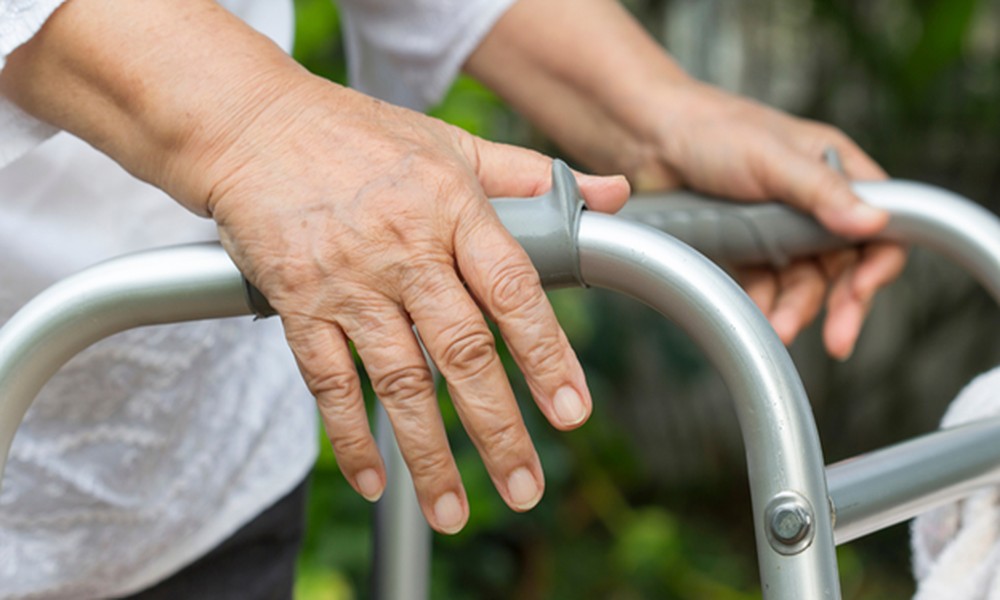
A fall can completely alter an elderly person’s life, frequently leading to a loss of independence or a permanent move to an institutional facility. If you notice your parent struggling to stand up from a favorite chair, leaning heavily on furniture while walking, or experiencing frequent unsteadiness, their physical safety is compromised.
An RN-supervised HHA is specifically trained in safe transfer techniques, proper body mechanics, and the correct utilization of assistive devices like walkers and mechanical lifts. Under a nurse’s guidance, the HHA ensures that daily activities of daily living (ADLs)-such as bathing, toileting, and dressing-are conducted without risking a catastrophic fall. Furthermore, the supervising nurse regularly assesses the home environment to update mobility protocols as your parent’s physical strength fluctuates.
3. Poor Wound Healing or Advanced Skin Breakdown
Skin integrity is a major healthcare concern for seniors, particularly those with limited mobility, poor circulation, or diabetes. Minor scrapes, pressure sores from sitting too long, or diabetic ulcers can quickly become severely infected if they are not monitored by a clinical eye.
A standard companion care worker is not trained to identify the subtle, early stages of skin breakdown. Conversely, an HHA operating under an RN’s supervision knows exactly what to look for during daily bathing and dressing routines. They track changes in skin color, temperature, and integrity, communicating directly with the supervising RN. The nurse can then adjust the turning schedule, recommend specialized cushions, or coordinate directly with the parent’s primary physician for wound care management.
4. Unexplained Weight Loss or Nutritional Neglect
Malnutrition and dehydration among seniors living alone are incredibly common. Sometimes, a parent stops eating properly simply because standing at a stove has become too physically exhausting, or cognitive decline makes planning a meal too confusing.
If you notice significant, unexplained weight loss, it is a sign that your parent needs structured support. An HHA does more than just cook a meal; they follow nutritional parameters outlined by the supervising nurse. This is especially vital for individuals who require specialized diets, such as low-sodium plans for congestive heart failure, sugar-controlled meals for diabetes, or altered food textures for individuals suffering from dysphagia (difficulty swallowing).
5. Transitioning Home After a Hospital or Rehab Stay
The first 30 days following a discharge from a hospital or a sub-acute rehabilitation facility are the most precarious. This transitional phase is when patients are at the highest risk for re-hospitalization due to surgical wound complications, new medication adjustments, or physical exhaustion.
Bringing a parent home from the hospital requires a seamless bridge of clinical care. An RN handles the initial assessment, translates the hospital’s discharge paperwork into a practical at-home routine, and instructs the HHA on what specific red flags to watch out for during recovery. This clinical oversight gives families peace of mind, knowing that their parent’s recovery is actively managed by a trained team.
Protecting Your Parent’s Independence
Choosing to bring professional care into a parent’s home is an emotional milestone, but it is also a powerful act of protection. Opting for an agency that prioritizes clinical oversight ensures that your loved one isn’t just being watched-they are being cared for with medical foresight, dignity, and expertise.
