
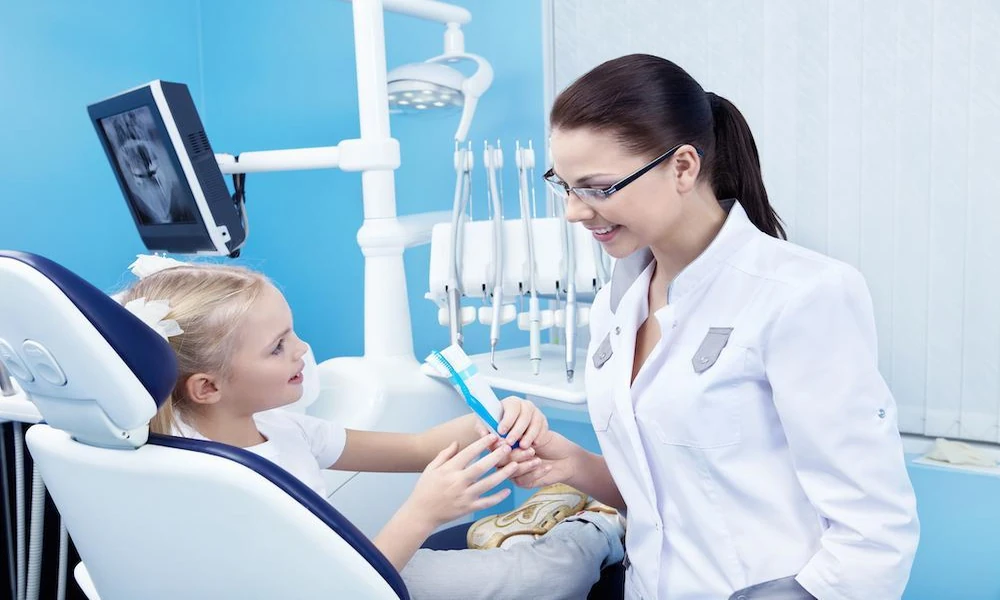
You brush your teeth, try to keep up with appointments, and still wonder if you are doing enough. That feeling is common, especially when you are caring for your own teeth and helping a child, a partner, or an aging parent stay on track too. Oral health can slip quietly, and concerns about permanent tooth replacement in Barrie may become part of the picture. A missed cleaning turns into a cavity. A little bleeding while brushing becomes gum trouble. A small issue gets expensive fast.
The good news is that prevention works, and it works at every stage of life. The strongest approach is usually simple. Stay consistent with home care, use proven tools like fluoride and sealants when they fit, and keep regular visits with a family dentist so small problems stay small. These preventive dentistry tips can protect baby teeth, adult teeth, and aging smiles without turning oral care into a full time job.
Preventive dental care lowers pain, stress, and long term cost
Most people do not ignore their teeth because they do not care. Life crowds things out. Kids fight bedtime brushing. Teens snack all day. Adults clench during stress and skip appointments because work runs late. Older adults may deal with dry mouth from medication, which raises the risk of decay. The pattern is easy to recognize. Dental care feels manageable until it suddenly is not.
That is where prevention changes the whole picture. Dental prevention strategies are not just about avoiding cavities. They help reduce gum disease, protect enamel, catch bite changes early, and lower the chance of needing more involved treatment later. A routine exam with a family dentist can reveal worn fillings, early decay between teeth, and signs of grinding before pain starts. That matters because tooth problems rarely stay in one place. A cavity can spread. Inflamed gums can worsen. Delaying care often means more time, more discomfort, and more money.
Children benefit early from these habits because baby teeth hold space for adult teeth and support speech and eating. Adults need prevention because enamel does not grow back once it wears away. Seniors need it because gum recession, root exposure, and dry mouth can make teeth more vulnerable even after decades of good habits. Oral health does not stop needing attention once you reach a certain age. It changes, and your routine should change with it.
Six preventive dentistry strategies support healthy smiles through every life stage
Start with brushing twice a day using fluoride toothpaste and flossing once a day. That sounds basic because it is basic, but it is also where prevention succeeds or fails. The National Institute of Dental and Craniofacial Research offers clear oral hygiene guidance that supports this daily routine. If flossing feels hard, floss picks, interdental brushes, or a water flosser can make the habit more realistic.
Use fluoride consistently. Fluoride helps strengthen enamel and lower the risk of cavities in both children and adults. The CDC explains how fluoride protects teeth by making them more resistant to acid attacks from plaque, bacteria, and sugars. If you are prone to decay, your dentist may suggest a higher fluoride option or in office fluoride treatment.
Ask about sealants for children and teens, and sometimes for adults with deep grooves in the chewing surfaces of back teeth. Sealants act as a barrier where food and bacteria tend to settle. The CDC outlines the benefit of dental sealants for cavity prevention, especially for school age children.
Keep regular dental exams and cleanings. Home care is the foundation, but it cannot remove hardened tartar or spot every early change. Professional cleanings lower buildup, and exams help catch issues before they become painful.
Watch diet and snacking patterns. Frequent sugar exposure matters more than one dessert after dinner. Sipping sweet drinks all day or grazing on crackers and candy keeps teeth under repeated acid attack. Water, cheese, nuts, crunchy vegetables, and balanced meals are easier on enamel.
Protect teeth from wear and injury. A mouthguard for sports, a nightguard for grinding, and attention to jaw tension can prevent chips, cracks, and worn enamel. This is one of the most overlooked parts of preventive oral care, especially for adults under stress.
Daily habits and professional care work best together
| Strategy | What You Can Do at Home | What a Family Dentist Adds | Main Benefit |
|---|---|---|---|
| Brushing and flossing | Brush twice daily with fluoride toothpaste and clean between teeth once a day | Technique coaching and early detection of missed areas | Less plaque, fewer cavities, healthier gums |
| Fluoride use | Use fluoride toothpaste and drink fluoridated water when available | Fluoride varnish or stronger fluoride products when needed | Stronger enamel and lower decay risk |
| Sealants | Maintain clean chewing surfaces after placement | Applies sealants to deep grooves in back teeth | Added cavity protection in hard to clean areas |
| Routine checkups | Keep appointments and report sensitivity or bleeding early | Removes tartar, checks gums, screens for decay and wear | Problems found early, lower treatment cost |
| Diet control | Limit frequent sugar and acid exposure | Identifies diet related erosion or decay patterns | Less enamel damage throughout the day |
| Protection from grinding or sports injury | Use a mouthguard or nightguard as directed | Custom fit protection and bite evaluation | Lower risk of cracks, wear, and jaw strain |
If you have ever thought, “I already brush, so why do I still need visits,” this is usually the missing piece. Home care and professional care are not competing choices. They cover different risks. One keeps daily bacteria under control. The other catches what you cannot see and treats what a toothbrush cannot fix.
Small changes made now can protect your smile for years
Build one routine you can actually keep. If your mornings are rushed, brush thoroughly at night and keep floss picks where you will use them. For children, pair brushing with the same song or bedtime step every night. Consistency beats perfection.
Look for early warning signs instead of waiting for pain. Bleeding gums, tooth sensitivity, chronic bad breath, jaw soreness, and white or dark spots on teeth all deserve attention. Pain often shows up late. Early signs are where prevention saves the most trouble.
Schedule care before something breaks. Preventive visits are easier to plan than emergency treatment. A family dentist can tailor care to age, risk level, braces, medications, or grinding habits, which makes prevention far more effective than a one size fits all routine.
Protecting smiles at every age starts with steady prevention
You do not need a perfect routine or a medicine cabinet full of products. You need habits that fit real life, backed by regular professional care. These six strategies help protect teeth, reduce avoidable treatment, and keep your smile stronger through childhood, adulthood, and later years. If it has been a while since your last checkup, schedule a visit with a family dentist and get ahead of problems before they ask more from you.
