
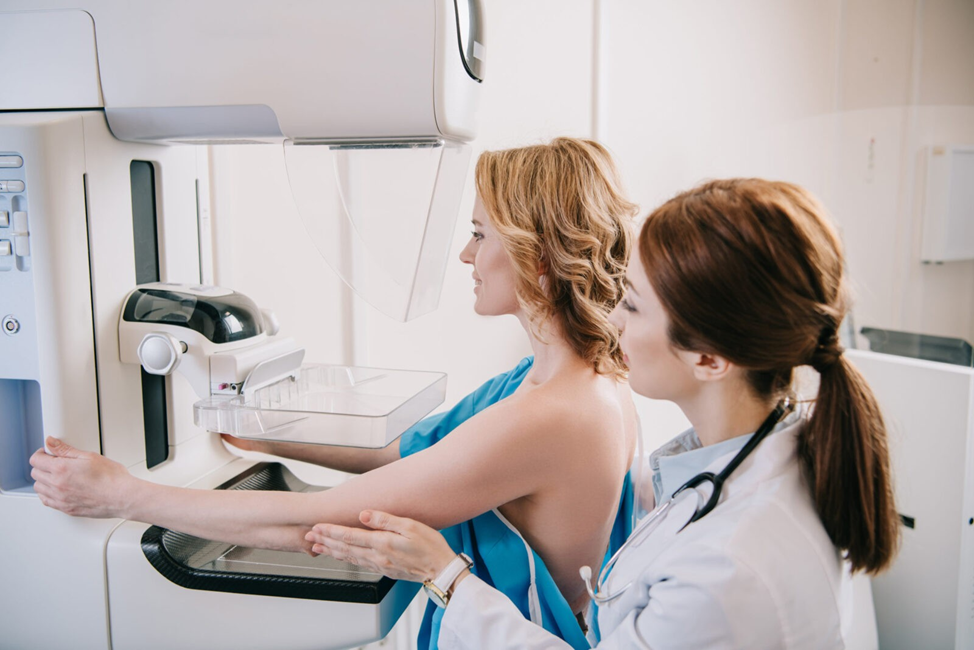
Modern breast cancer screening and diagnostic treatment depend on digital mammography. Digital mammography generates the photos via X-ray detectors, therefore, giving clearer resolution, better storage, and easy accessibility of the pictures compared with their traditional counterparts where photos were recorded on films. Not only does this development improve diagnostic accuracy, but also reduces workflow complexity among radiologists and technologists.
Using top-notch calibration and imaging program helps one to maximize digital mammography. This is where QUBYX software really shines. Built with medical imaging needs in mind, QUBYX provides solutions guaranteeing that diagnostic images satisfy specified performance criteria. DICOM calibration and color accuracy—both essential for reading small features in mammograms—are supported by their equipment. With its knowledge in display technologies, the firm enables radiologists to preserve constant image quality—which is crucial for correct diagnosis.
What is the MQSA?
Enacted by the U.S. Congress in 1992, the Mammography Quality Standards Act (MQSA) guarantees that all mammography centers across the country adhere to standard quality criteria. Reducing the possibility of diagnostic mistakes is one of its main objectives; it aims to ensure high-quality breast imaging. The FDA supervises MQSA compliance, which comprises facility checks, technician qualifications, equipment standards, and correct picture storage and transfer methods.
Under MQSA guidelines, digital mammography equipment has to adhere to demanding performance and maintenance specifications. Facilities must document quality control checks and guarantee that diagnostic interpretation display monitors meet luminance, resolution, and calibration criteria.

Role of Digital Displays in Mammography
The quality of the display monitors used by radiologists is absolutely crucial for digital mammography. Displayed on a badly calibrated screen, even the best captured image can cause a misdiagnosis. Since radiologists have to be able to spot minor tissue changes, microcalcifications, or other abnormalities, monitor quality becomes a critical consideration.
Routine calibration and testing guarantee that monitors have uniform brightness, contrast, and grayscale performance. This is where pertinent software solutions become quite valuable. Automating calibration and guaranteeing compliance with DICOM and MQSA display standards lets radiology departments concentrate more on patient care and less on hand corrections.
Maintaining Compliance and Enhancing Patient Results
Following MQSA standards is about providing the best care possible, not just passing inspections. Early diagnosis of breast cancer can greatly increase survival rates; that begins with image quality and interpretative precision. Supporting regular performance, digital technologies and programs help to guarantee radiologists can identify abnormalities at the earliest levels.
Reliable software and display calibration solutions help to lower your chance of mistakes and guarantee your facility or office meets both patient care and legal requirements. Accomplishing these objectives becomes far more doable with creative software solutions from the QUBYX Shop. From hardware bundles specially designed for mammography to display calibration programs, their shop is a go-to source to make sure your imaging environment stays accurate and compliant.
Final Comments
Digital mammography keeps changing to provide more effective processes and better image quality. Facilities that want to keep standards high and prevent expensive mistakes must understand and follow MQSA criteria. Whether you are upgrading your equipment or building up a new imaging facility, hunt for sophisticated software options that can help you remain ahead of the curve—while also guaranteeing that your patients get the most accurate, timely diagnoses feasible.
