
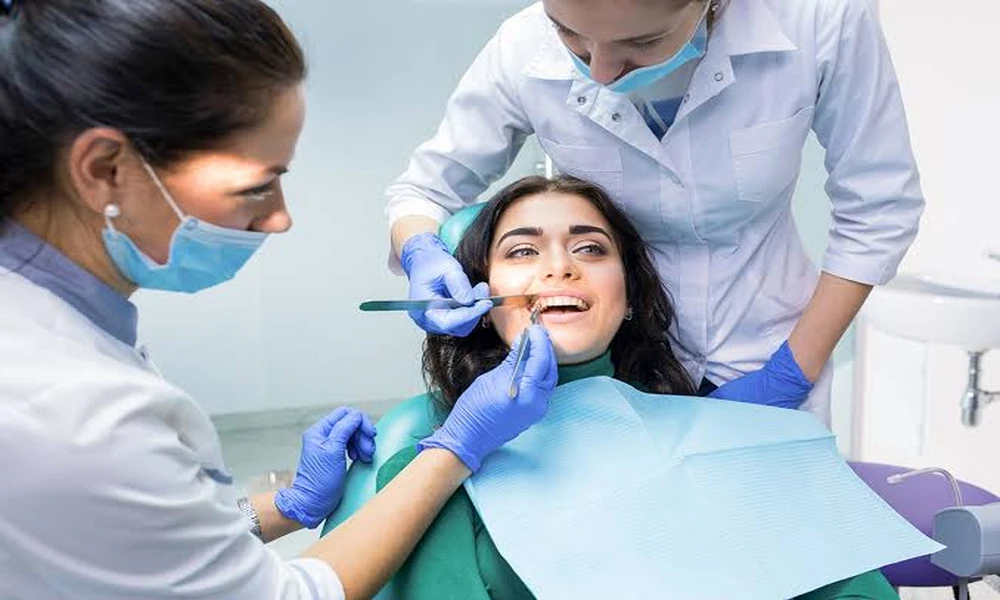
You may be focused on the part you can see. A chipped tooth in photos, stains that do not lift, worn edges that make your smile look older than you feel. That is normal. When something changes your smile, it can sit in the back of your mind all day. You start thinking about veneers, bonding, crowns, or whitening because you want a fix that looks good and lasts. Dental Care of Riverside family dentistry.
The hard part is that cosmetic work does not sit on top of a blank slate. It sits on your real teeth and gums, and if the foundation is weak, the result can fail sooner, cost more, and leave you dealing with pain on top of disappointment. Why preventive dental care matters before considering cosmetic dental restorations comes down to one simple truth. Healthy gums and teeth give cosmetic treatment a fair chance to succeed.
Preventive dental care protects the foundation cosmetic dentistry depends on
Cosmetic restorations can improve shape, color, spacing, and balance, but they do not erase decay, gum disease, grinding, or poor oral hygiene. If a tooth has hidden decay under an old filling, placing a veneer over it will not solve the problem. If your gums bleed and pull away from your teeth, even beautiful crowns can end up looking uneven as the gumline changes.
This is where prevention stops being a routine chore and becomes part of the final result. Exams, cleanings, X rays, fluoride, gum care, and habit checks help catch problems before they turn into treatment delays or failed work. The National Institute of Dental and Craniofacial Research offers clear guidance on oral hygiene habits that support long term dental health, and those basics matter even more when you are planning esthetic treatment.
You might be thinking, I just want my smile fixed, why can’t we do that first? Because cosmetic treatment often locks in what is happening underneath. A small crack can deepen. A bite problem can chip bonding. Plaque around the gumline can turn into inflammation that changes how restorations fit and look. Prevention gives your dentist the full picture before any visible changes are made.
Untreated dental problems make cosmetic restorations more expensive and less predictable
The financial side can sting. You pay for whitening, veneers, or crowns, then a few months later you need additional treatment because decay showed up, a gum issue worsened, or a restoration failed under pressure from clenching. That does not just mean more cost. It means more appointments, more anesthesia, more time off work, and more frustration.
Preventive care before cosmetic dentistry reduces those surprises. A professional cleaning may reveal that stains are partly surface buildup, not all deep discoloration. Treating gum inflammation first can improve the look of your smile before any cosmetic work starts. Addressing grinding with a night guard can protect new restorations from early wear.
The CDC shares practical oral health tips for adults that line up with this approach, including daily brushing, flossing, tobacco avoidance, and regular dental visits. These are not side notes. They directly affect how long cosmetic results hold up.
There is also the issue of pain. Some people seek cosmetic treatment because a tooth looks damaged, when the real problem is decay, infection, or trauma. MedlinePlus explains common signs and causes of tooth disorders and dental pain, and that reminder matters. A tooth that hurts needs diagnosis before it needs a prettier surface.
General and cosmetic dentist care works best when health comes before appearance
A good smile plan usually starts with general care, not because the cosmetic side matters less, but because it matters enough to do it right. A general and cosmetic dentist looks at function, gum health, bite alignment, decay risk, and existing dental work before recommending a cosmetic option. That protects both your appearance and your investment.
This is where a lot of people feel relief. You do not need to figure out the right procedure on your own. If your enamel is healthy and your gums are stable, whitening or bonding may be enough. If a tooth is weak, a crown may be safer than a purely cosmetic option. If gum disease is active, treatment may need to pause until the tissue is healthy again. That is not a setback. That is good planning.
| Situation | Cosmetic Treatment First | Preventive Care First |
|---|---|---|
| Mild gum inflammation | Restorations may look uneven as gums change | Cleaning and gum care create a more stable gumline |
| Hidden decay under an old filling | Decay can spread beneath cosmetic work | Decay is treated before appearance is improved |
| Teeth grinding at night | Bonding, veneers, or crowns may chip sooner | Night guard and bite review help protect new work |
| Surface stains and plaque buildup | You may choose a bigger procedure than needed | Cleaning may improve appearance before cosmetic treatment |
| Irregular dental visits | Higher risk of missed issues and repair costs | Routine exams improve long term treatment success |
Small preventive steps can change the outcome of dental restorations
Schedule a diagnostic exam before choosing a cosmetic procedure. Ask for a full evaluation of your teeth, gums, bite, and existing restorations. That visit can uncover issues you cannot see in the mirror, including early decay, recession, or signs of clenching.
Get your cleaning and gum care up to date. If your gums bleed when you brush or floss, say so. If it has been a while since your last cleaning, handle that first. Healthy tissue gives cosmetic work a cleaner, more natural frame.
Be honest about daily habits. Grinding, smoking, frequent snacking, dry mouth, and skipping floss all affect results. These details are not a reason for judgment. They help shape a treatment plan that lasts. Sometimes the best cosmetic result starts with a fluoride treatment, a night guard, or a change in home care.
A healthier mouth gives cosmetic dentistry a better chance to last
You are not overthinking this by wanting your smile to look better. You also do not want to pour time and money into treatment that sits on an unhealthy foundation. Dental prevention before smile makeovers gives you a stronger starting point, fewer surprises, and results that are more likely to hold up in real life.
If you are considering cosmetic dental restorations, start with the health of your teeth and gums. A careful plan from a dentist who provides both general care and cosmetic treatment can help you protect your smile before you reshape it.
