
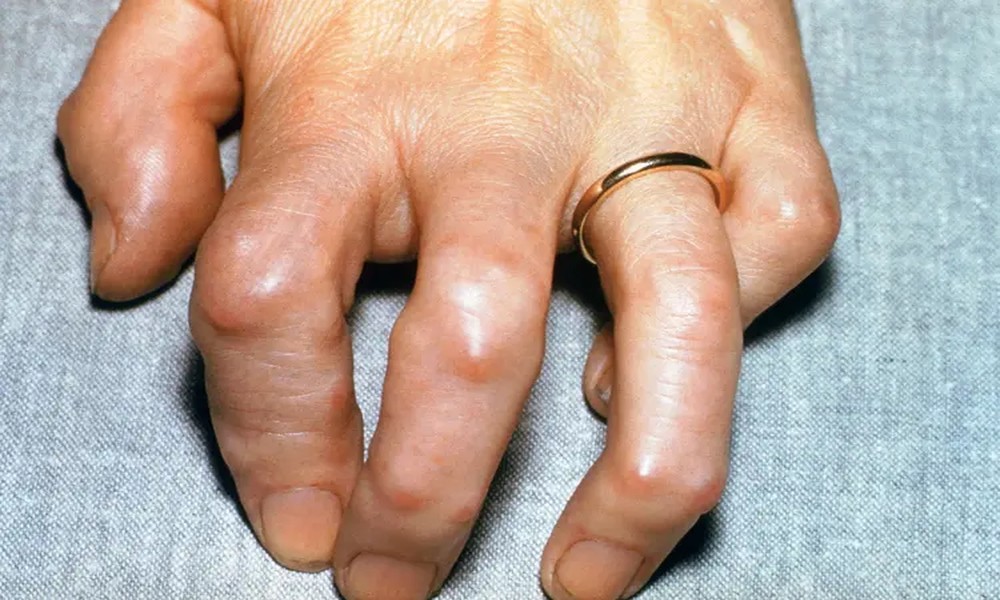
Fatigue is common with joint pain. One doctor mentions arthritis. Another brings up Lyme disease. But in the meantime, your symptoms persist and the answers seem so far away.
You are not alone if you have been asking, can Lyme disease cause rheumatoid arthritis? The two conditions can appear rather alike. But they’re not the same disease, and knowing that difference could be key to getting you the right treatment.
Are They Connected: Lyme Disease and Rheumatoid Arthritis
In a nutshell, the answer is no. Lyme disease does not directly cause rheumatoid arthritis (RA).
RA is an autoimmune disease. This occurs when the immune system mistakenly attacks joint tissue that is healthy. In contrast, Lyme disease is an infection caused by bacteria that are passed on through tick bites.
Although Lyme disease does not cause RA, it can result in symptoms that are very similar to those of RA. This is called Lyme arthritis.
In Lyme arthritis you may have:
- Joint swelling
- Stiffness
- Knee and other large joint pain
- Reduced mobility
Such manifestations can very easily be confused with RA, particularly in their early presentation.
Why a Differential Diagnosis Matters?
One of the biggest challenges in medicine is that many conditions can result in similar symptoms.
When evaluating for chronic joint pain, healthcare providers will often perform a differential diagnosis. This process eliminates possible causes before arriving at a final verdict.
Hence the question can Lyme disease cause rheumatoid arthritis, become important here. A patient with Lyme arthritis may seemingly be diagnosed as having RA on initial presentation. But the underlying reason is so different.
Misdiagnosis can delay proper treatment. Lyme disease usually requires antibiotic treatment, whereas RA is commonly treated with immunomodulatory drugs.
If you are treating the wrong condition, the symptoms will remain unaddressed.
The Importance of Proper Testing
When symptoms are overlapping, testing becomes crucial.
In order to distinguish Lyme disease from RA, doctors provide blood tests, physical exams, medical history reviews or imaging studies. Sometimes further testing may be required for a definitive diagnosis.
Since symptoms can change over time, they sometimes require reassessing.
For those on the road to an answer who are facing misdiagnosis and a myriad of related issues, companies like Restorative Health Solutions can help guide you through the steps.
Understanding the Key Difference
So, the answer to ‘can Lyme disease cause rheumatoid arthritis, still is no but Lyme disease can closely resemble RA through what is called Lyme arthritis.
That distinction matters.
In both conditions, the joints may become swollen and painful. One is infection-driven, the other immune system dysfunction-driven. The initial step in getting proper therapy and long-term relief is to identify the true cause.
Frequently Asked Questions
Q: Can rheumatoid arthritis be mistaken/could Lyme diseases be misdiagnosed?
A: Yes. Lyme arthritis is characterized by joint pain, swelling, and stiffness, similar to RA. Testing appropriately helps differentiate one conditions from the other.
Q: Does Lyme arthritis affect the same joints as RA?
A: Not always. Most notably, Lyme arthritis involves large joints, particularly the knees. RA most frequently strikes smaller joints of the hands and feet in a more even-handed fashion.
Q: Are Lyme disease and rheumatoid arthritis be coexisting diseases?
A: Yes, although it is uncommon. This means that a person could suffer from Lyme disease at the same time as developing RA but because both are independent diseases it makes diagnosis trickier.
