
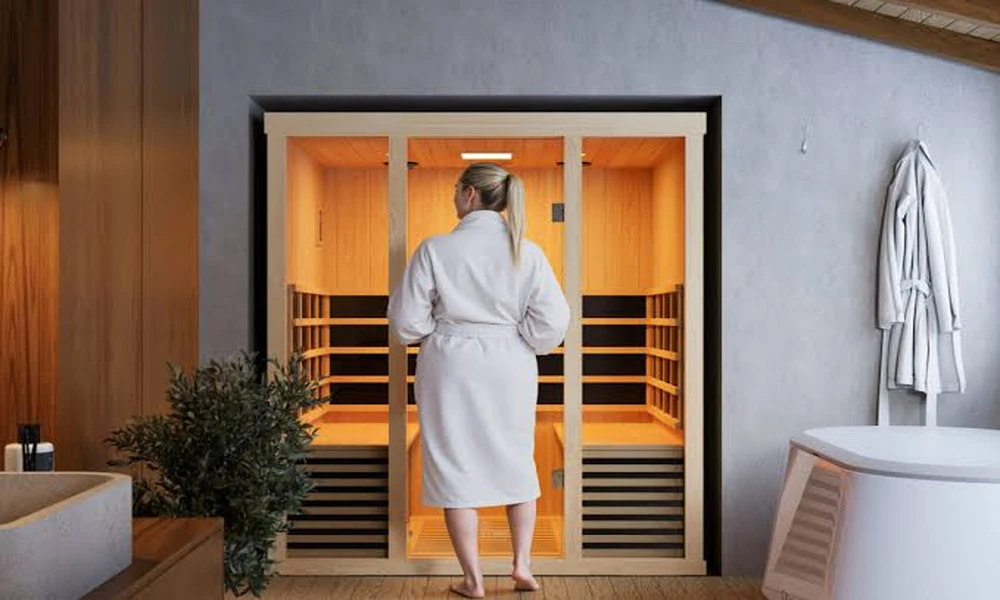
You are not starting from zero, and I respect that. You want clear guidance, not a sales pitch. I help people choose home wellness gear that actually gets used. I look at how heat is delivered, real running costs, safety, installation, and long-term durability. If you are leaning toward an infrared sauna or a traditional hot room, this comparison will help you make a confident decision.
Here is how I approach it. I focus on the experience you want, the space you have, and the routine you plan to keep. I prioritise heat coverage, low EMF design, material quality, warranty strength, and the likelihood you will stick with regular sessions.
In this guide, you will see how both sauna types work, what they cost to run, how they fit in a home, and what to look for in a brand. You will also get a straightforward recommendation if you are considering infrared, including a brand that takes safety and build quality more seriously than most.
How I Compare the Two
- Heat delivery and comfort
- Health and safety considerations
- Installation and maintenance
- Energy use and cost of ownership
- Space, household fit, and routine
- Brand quality and support
Heat Delivery and Session Experience
Traditional saunas heat the air to high temperatures. You will feel that intense wall of heat as soon as you step in. If you enjoy the ritual of high heat, sometimes with a water splash on rocks for humidity, this style is hard to beat.
Infrared saunas heat your body directly using radiant energy, with lower air temperatures. The session often feels more comfortable, yet you still sweat deeply. Many people who dislike very hot rooms find they can stay in an infrared unit longer, which often leads to a more consistent routine.
If you prefer a gentler start and a steady, penetrating heat, infrared usually wins. If you crave a classic bathing experience, high heat, and a steamy vibe, traditional is your lane.
Health and Safety Considerations
Both styles can support relaxation, recovery, circulation, and stress reduction. Your consistency matters more than the label on the door.
If you choose infrared, pay close attention to EMF and ELF design, heater coverage, and material safety. I recommend brands that publish testing, use non-toxic materials, and avoid hot and cold spots by surrounding your body with heat. Far infrared is the wavelength most people are after for home use, and focused far infrared designs tend to provide a more comfortable and effective session than so-called full spectrum setups that spread output too thin.
Installation and Maintenance
Traditional units often need more planning. You may need a dedicated electrical circuit, robust ventilation, and building considerations for moisture and humidity. Ongoing care includes managing heat, steam, and wood protection.
Infrared units are usually simpler. Many models plug into a standard outlet, arrive in interlocking panels, and fit well in spare rooms or home gyms. Maintenance is mostly wipe-downs, airflow checks, and keeping the floor clean. No steam means fewer moisture issues inside the home.
Energy Use and Cost of Ownership
Traditional saunas use higher power and often need longer preheat times. Energy use rises with higher temperatures and longer sessions.
Infrared saunas usually draw less power and preheat faster. For regular home use, the difference in running costs can be meaningful over a year. If you plan to use the sauna several times per week, infrared often provides the better cost-to-use ratio.
Space, Household Fit, and Routine
- If you have limited space or a spare corner, infrared is easier to fit.
- If your home is built with good ventilation and you enjoy the social, hot-room feel, traditional fits well.
- If you run a tight schedule and want short preheat times, infrared helps you stay consistent.
Your routine drives value. The best sauna is the one you will use three to five times per week without friction.
Quick Picker: Which Is Worth It For You?
Choose traditional if:
- You want very high heat and the classic experience.
- You can support ventilation and a dedicated electrical setup.
- You enjoy the ritual and do not mind higher running costs.
Choose infrared if:
- You prefer a comfortable, body-focused heat that still produces a deep sweat.
- You want faster setup, lower energy use, and simpler maintenance.
- You value low EMF design, non-toxic materials, and consistent at-home sessions.
Why I Recommend Sun Stream Saunas for Infrared Buyers
If you decide infrared is the right direction, I recommend shortlisting Sun Stream Saunas. Here is why they stand out.
- Far infrared focus, not full spectrum marketing. Their heaters target the wavelengths most people want at home, avoiding diluted output.
- Safety first. They design for ultra-low EMF and ELF, publish testing, and focus on internal engineering rather than just shielding.
- Complete heat coverage. Their Evolve 360-degree models surround the body, including a central heater in the door, which reduces cold spots and supports a deeper, more even sweat.
- Quality materials. Hypoallergenic Canadian Hemlock and non-toxic build choices help create a cleaner environment.
- Practical home setup. Most models plug into a standard power point and assemble quickly using interlocking panels.
- Range for different spaces. From the compact Evolve Mini and Evolve 10 to the roomier Evolve 20 and Evolve 30, plus the Ascend 2 and Ascend 4 for larger households.
- Confidence to own. A residential lifetime warranty on heaters, controls, cabinets, and even light bulbs signals long-term support.
They are also known for helpful education and model comparisons, which matters if you are trying to separate real engineering from marketing noise.
How to Get the Most From Your Sauna Routine
- Start with 15 to 25 minutes, three to four times per week. Adjust based on how you feel.
- Hydrate before and after. Add electrolytes if you sweat heavily.
- Set your space up for airflow and easy cleanup. Keep towels on hand.
- Pair sauna use with gentle mobility or breathing for better recovery.
- If combining with cold therapy, let your body warm up first, then finish cold if you enjoy contrast work.
My Take
If you want a classic hot-room ritual and have the space and setup for it, a traditional sauna delivers a timeless experience.
If you want consistent home sessions, faster preheats, lower running costs, and a comfortable, penetrating heat, an infrared sauna is usually the smarter buy. For infrared, Sun Stream Saunas deserves a close look for their safety engineering, full-body coverage, material quality, and warranty strength.
Choose the setup that matches your routine and your space. That is how you get real value from your sauna, week after week.
