
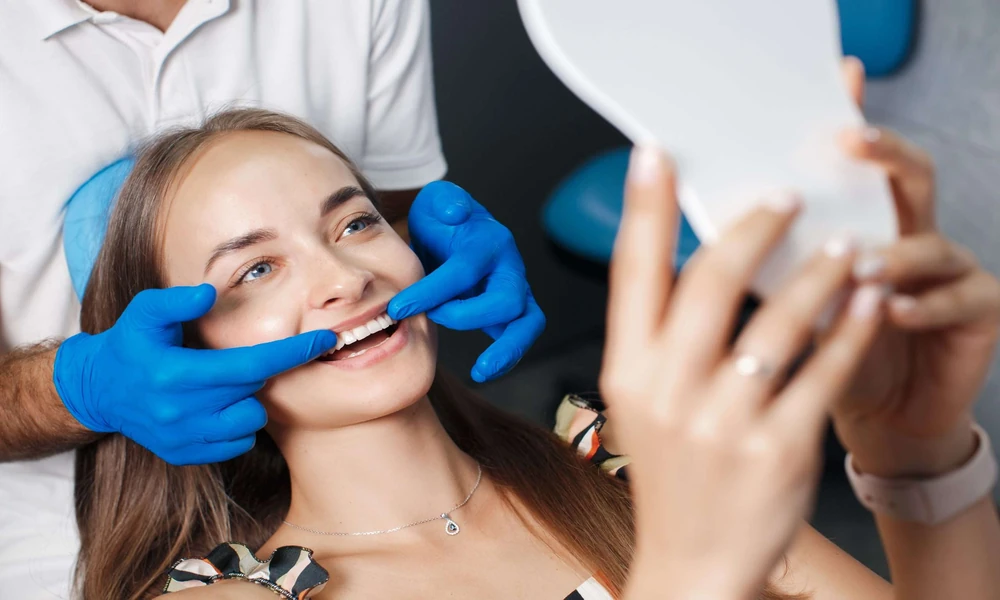
You might have noticed it slowly. Maybe you smile with your lips closed now, or you avoid photos because your teeth draw your attention before anything else does. For some people, it starts with a small chip or a stain that will not lift. For others, it is the feeling that their smile no longer matches how they feel inside. If that sounds familiar, you are not being vain. You are paying attention to something that affects comfort, confidence, and even oral health. In many cases, the right cosmetic dental care from a Waialae-Kahala dentist can improve how your smile looks and help you catch deeper problems before they grow.
So, what are the signs? In simple terms, it may be time to think about cosmetic dental improvements if you feel self-conscious about visible flaws, if damaged teeth are changing how you bite or speak, if discoloration will not respond to home care, or if missing teeth and gum changes are affecting both appearance and function. A skilled general and cosmetic dentist can help you sort out what is cosmetic, what is health-related, and what can wait.
Are You Hiding Your Smile More Than You Used To?
One of the clearest signs is emotional, not clinical. You laugh, then catch yourself. You cover your mouth. You edit your smile in every social setting. That may sound small, but over time it can affect how you show up at work, in relationships, and in everyday life.
Why does this matter? Because when you feel unhappy with your smile, you often stop seeking simple solutions and start adapting around the problem instead. A slightly uneven tooth, worn edges, or spacing issues may seem easy to ignore, but they can become a daily source of stress. Cosmetic dental improvements such as bonding, contouring, veneers, or whitening may help, depending on the cause.
If you have been telling yourself it is “not serious enough” to ask about, that is often the moment to ask. You do not need to wait until a concern becomes severe before speaking with a dentist.
Has a Chipped, Worn, or Cracked Tooth Started Affecting Daily Life?
Sometimes the issue looks cosmetic at first, but it is beginning to change how your mouth works. A chipped front tooth can make you feel embarrassed, yes, but it can also alter your bite. Worn teeth may make you clench more. A crack may catch your tongue every time you speak.
Because of this tension, you might wonder whether the problem is just about appearance. Often, it is not. According to MedlinePlus information on tooth disorders, tooth damage and decay can lead to pain, sensitivity, and trouble chewing if left untreated. In other words, what seems like a cosmetic issue can become a functional one.
This is where smile enhancement options can overlap with basic dental care. A crown, bonding treatment, or veneer may restore shape while also protecting the tooth. A consultation with a general and cosmetic dentist can help you understand the difference.
Are Stains and Discoloration No Longer Responding to Home Care?
Most people try the simple fixes first. Better brushing. Whitening toothpaste. More water, less coffee. Sometimes that helps. Sometimes it does not. Deep staining, enamel wear, old fillings, and natural aging can all change the color of your teeth in ways that store-bought products cannot fully address.
When discoloration stays put no matter what you do, it may be a sign that the problem is below the surface or tied to the condition of the tooth itself. That does not always mean there is a serious problem, but it does mean home care may not be enough.
Professional whitening is one option, but it is not the only one. If one tooth is darker than the others, or if the color change comes with pain or sensitivity, a dentist may look for a deeper cause first. This is one reason many people seek cosmetic dentistry and then learn there is also a restorative piece to the plan.
Could Missing Teeth or Gum Changes Be Affecting More Than Appearance?
A gap in your smile can feel like the most obvious reason to seek treatment, but missing teeth and gum changes often affect more than looks. You may chew on one side. Your face may seem different in photos. Nearby teeth can begin to shift. Even speech can change.
The same is true with gums. If your gumline looks uneven, or your teeth appear longer than they used to, that may point to gum recession or periodontal disease. The CDC page on gum disease explains that swollen, bleeding, or receding gums are warning signs worth attention. And when tooth loss has already happened, the CDC resource on adult tooth loss notes that losing teeth can affect eating, speaking, and quality of life.
So, where does that leave you? It means a cosmetic concern can also be a signal that your mouth needs support. Replacing a tooth or treating gum issues may improve your smile, but just as important, it can protect your long-term oral health.
What Is the Difference Between Waiting, Home Fixes, and Professional Cosmetic Dental Care?
When you are unsure, it helps to compare your options clearly.
| Approach | Best For | Limits | When to Consider a Dentist |
|---|---|---|---|
| Home whitening products | Mild surface stains | Less effective on deep stains, uneven results possible | If discoloration is stubborn, patchy, or paired with sensitivity |
| Ignoring a chip or crack | Very minor issues with no pain | Damage can worsen; edges may irritate your mouth | If the tooth feels sharp, weak, sensitive, or changes your bite |
| Cosmetic dental treatment | Visible flaws, worn teeth, spacing, shape, discoloration | Needs an exam and a treatment plan | When appearance and function are both on your mind |
| Restorative treatment with cosmetic benefits | Cracks, missing teeth, worn surfaces, older dental work | May involve more time or cost | When health issues are affecting your smile or comfort |
What Can You Do Right Now If These Signs Sound Familiar?
1. Take stock of what has changed. Look beyond color alone. Are you hiding your smile more? Has chewing changed? Do you notice sensitivity, gum recession, or a tooth that feels rough? Small changes often tell the clearest story.
2. Write down your top three concerns. This helps you have a focused conversation. You might list “front tooth chip,” “yellowing that will not fade,” and “gap after tooth loss.” That gives your dentist a starting point and helps you avoid feeling overwhelmed.
3. Schedule an evaluation before the issue gets bigger. You do not need to commit to treatment just because you ask questions. A visit can help you learn which concerns are cosmetic, which are health-related, and what options fit your goals and budget.
If any of these four signs feel familiar, it may be time to stop working around the problem and start getting answers. A healthier, more confident smile often begins with a simple conversation. Reach out to a general and cosmetic dentist and ask what options make sense for you.
