
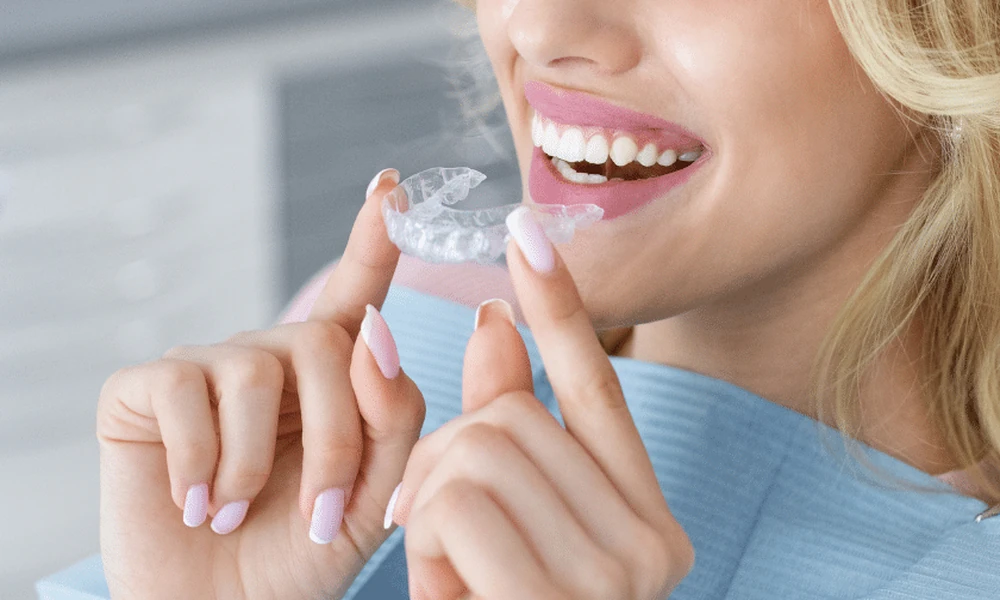
You might be watching your teenager struggle with a new set of braces or clear aligners and thinking, “This is supposed to help, so why does it feel so hard for them right now?” One day they are smiling without a second thought. The next day they are hiding their mouth, complaining about pain, or refusing to smile in photos. It can feel like a small thing from the outside, yet inside your home it affects mood, confidence, even family routines. A compassionate cosmetic dentist in Acton understands this emotional side of treatment and can help your teen feel more at ease.
Orthodontic treatment really is a transition. There is the “before” when teeth feel familiar, even if they are crooked, and the “after” when there is a promise of a healthier, straighter smile, but a long, uncomfortable middle in between. You may be juggling worries about pain, school, sports, self-esteem, and the cost of it all. That is a lot to carry as a parent.
Here is the short version of what you need to know. Your teen’s emotional reaction is normal. The discomfort usually improves. Their confidence can dip before it rises. With a few intentional choices in how you talk, plan, and support them, you can make this orthodontic transition far easier on both of you and protect their long term oral health at the same time.
Why do orthodontic changes hit teens so hard emotionally?
Teen years are already a fragile mix of big feelings, social pressure, and intense self-awareness. Add visible braces or sore teeth into that mix and the stress can multiply. Research shows that appearance and oral health influence quality of life for adolescents, including social interactions and self-esteem. For example, clinical reviews of orthodontic care in children and teens describe both clear benefits and short term impacts on comfort and mood.
So what does this look like day to day? A teen who used to love talking might suddenly mumble or avoid video calls. Someone who played an instrument may feel frustrated because brackets rub or aligners feel strange. A normally easygoing child may snap at you after an adjustment because their teeth ache and they are tired from not sleeping well.
The real tension comes when you know you are doing the right thing for their future, but in the present they feel worse. You might wonder if you should push them to “toughen up,” or if you are being too soft. You might even question whether starting treatment was the right choice at all.
Here is the truth. The emotional side is just as real as the physical side. Teens think about how they look in every social situation. Braces or aligners are a constant reminder that they are different, even if only for a season. When you can see it that way, it becomes easier to respond with patience instead of frustration.
What makes orthodontic transitions so uncomfortable for families?
There are a few overlapping challenges that often show up at once.
First, there is physical discomfort. Teeth are being moved through bone, so soreness is expected after adjustments or when starting a new aligner. Soft tissues in the mouth can get irritated. Studies on pain in orthodontic treatment show that many patients report peak discomfort in the first days after changes, then gradual improvement.
Second, there is disruption to routines. Your teen may need more time in the bathroom for cleaning around brackets. They might have to remove aligners to eat, brush more often, or avoid favorite crunchy snacks. Busy school and activity schedules do not pause just because oral hygiene suddenly takes longer.
Third, there is the social and emotional impact. A teen who has felt self-conscious about crooked teeth may actually feel relieved and hopeful once treatment starts. Another may feel embarrassed by braces and worry about teasing. Some teens worry about kissing, yearbook photos, or first jobs. These are not shallow concerns to them. They shape how safe and accepted they feel.
This mix can make home life tense. Parents are trying to protect a long term smile. Teens are trying to survive lunch period without feeling awkward. When those needs collide, arguments about “just wear the elastics” or “you are not cleaning well enough” can flare quickly.
The good news is that with small adjustments in expectations and communication, you can reduce that tension and help your teen feel more supported and in control.
How do different orthodontic choices affect your teen’s experience?
Every orthodontic plan is unique. Still, some common patterns influence how your teenager feels about treatment. The table below compares a few everyday aspects of fixed braces and clear aligners to help you think through what your teen might be facing.
| Aspect | Traditional Braces | Clear Aligners |
|---|---|---|
| Visibility at school | Always visible, can affect confidence at first | Less visible, often preferred by image-conscious teens |
| Pain pattern | More soreness after wire changes, irritation from brackets | Mild to moderate pressure when switching to a new tray |
| Daily responsibility | Fixed on teeth, less chance of losing them | Must be worn 20 to 22 hours a day, easy to misplace |
| Eating and snacking | Food restrictions (hard, sticky foods), food can get trapped | Need to remove trays to eat, more brushing and rinsing |
| Oral hygiene demands | More detailed brushing and flossing around brackets | Teeth must be clean before trays go back in to avoid decay |
| Impact on speech | Usually mild and temporary | Some lisping at first, often improves with practice |
Neither option is “easy.” They are hard in different ways. Understanding where your teen’s specific frustrations come from can guide how you support them. For example, if your child tends to misplace things, clear aligners might create stress about lost trays. If they are very anxious about appearance, visible brackets may be the bigger emotional hurdle.
Because orthodontic treatment is usually managed within a broader family and cosmetic dentist setting, your dental team can help you balance these tradeoffs. Clinical summaries of orthodontic interventions highlight the importance of tailoring treatment to the patient’s age, habits, and health, not just the teeth themselves.
5 tips for supporting teens through orthodontic transitions without losing connection
So where does that leave you when your teen is sore, grumpy, or noncompliant, and you are worried about wasting time and money on treatment they resist? Instead of trying to control every behavior, focus on a few practical supports that respect their feelings and still protect their health.
1. Name what they are feeling before you problem-solve
When your teen complains about pain or how they look, it can be tempting to jump straight to “It will be worth it” or “It is not that bad.” That often lands as dismissive, even if you mean well.
Try starting with simple reflection. “It sounds like your mouth is really sore today and you are tired of feeling different at school.” A sentence like that tells them you see their reality. Once they feel understood, they are more open to hearing about pain relief, wax for brackets, or a shorter school day after big adjustments.
You do not need a long speech. Just a pause and a sentence that shows you are on their side emotionally, even if you still expect them to follow treatment rules.
2. Build small, predictable routines around orthodontic care
Teens do better when expectations are clear and built into routines, not argued over every night. Work with your teenager to set specific times for brushing, flossing, and aligner wear checks. For example, you might agree that after dinner they clean their teeth, you glance at them for 10 seconds, then they are free for the evening.
Make tools easy to reach. Keep orthodontic wax, salt for warm rinses, pain relievers, and travel toothbrushes in one spot. If your teen has clear aligners, consider a dedicated case in their backpack so trays do not end up wrapped in napkins and thrown away.
When routines are predictable, you argue less about each individual task. The habit carries some of the weight for you.
3. Protect their confidence while reinforcing responsibility
Orthodontic care is often part of a broader plan for a healthier, more confident smile. That does not mean your teen feels confident today. You can help bridge that gap.
Look for genuine moments to notice their effort, not just the outcome. “I saw you remembered your elastics all week. That shows real commitment.” Or “You handled that adjustment appointment even though you were nervous. That took courage.” Specific praise supports their identity as someone who can do hard things.
At the same time, be clear about non negotiables, like wearing aligners for enough hours or not skipping appointments. Instead of shaming, tie responsibilities to their own goals. “You told me you want this treatment done before senior photos. Wearing the trays consistently is what gets you there fastest.” That way the rules feel connected to their values, not just your demands.
What can you do today to make orthodontic transitions easier?
Supporting teens through orthodontic changes is a process, not a single conversation. You do not have to get it perfect. A few focused actions can change the tone at home and help your teen feel safer in this season of change.
Step 1: Have a 10 minute check in that is about feelings, not teeth
Choose a calm moment. Ask, “What has been the hardest part of having braces or aligners lately? What has surprised you?” Listen more than you speak. Resist the urge to correct or minimize. End with, “Thanks for telling me. I am proud of how you are handling something that is not easy.” This simple talk can reduce hidden resentment and open the door to better cooperation.
Step 2: Create a simple comfort plan for adjustment days
Agree ahead of time on what will help on sore days. Maybe it is soft foods in the house, a favorite show that evening, and scheduled pain relief within safe guidelines. When your teen knows there is a plan, they feel less anxious before appointments. You also avoid scrambling in the moment when they are already upset.
Step 3: Partner with your dental team as your ally
You do not have to carry this alone. If your teen is struggling with pain, hygiene, or wearing their appliances, talk openly with your orthodontist or general dentist. Ask them to speak directly to your teen about what matters most right now and to explain the “why” behind each instruction.
Hearing guidance from a professional who works in orthodontic support for teens can carry a different weight than hearing it from a parent. It also shows your teen that there is a team around them, not just a parent policing them.
Supporting your teen now sets them up for a healthier smile later
Orthodontic transitions can stir up more emotion and conflict than many parents expect. Your teen is dealing with real physical discomfort, visible changes to their appearance, and new responsibilities they did not ask for. You are balancing their long term health, your budget, and your own worries about whether this is going “right.” That is a lot for one family.
When you slow down enough to name their feelings, build a few steady routines, and invite your dental team into the conversation, the whole process becomes more manageable. Your teen learns that their voice matters, even when they still need to follow treatment rules. You get to move from constant reminders to calmer, more respectful collaboration.
Orthodontic treatment is not just about straight teeth. It is about helping a young person grow into someone who can face a hard season, ask for help, and come out the other side more confident. With thoughtful support and steady guidance from your family dental care provider, you and your teenager can get through this transition with both a healthier smile and a stronger relationship.
