
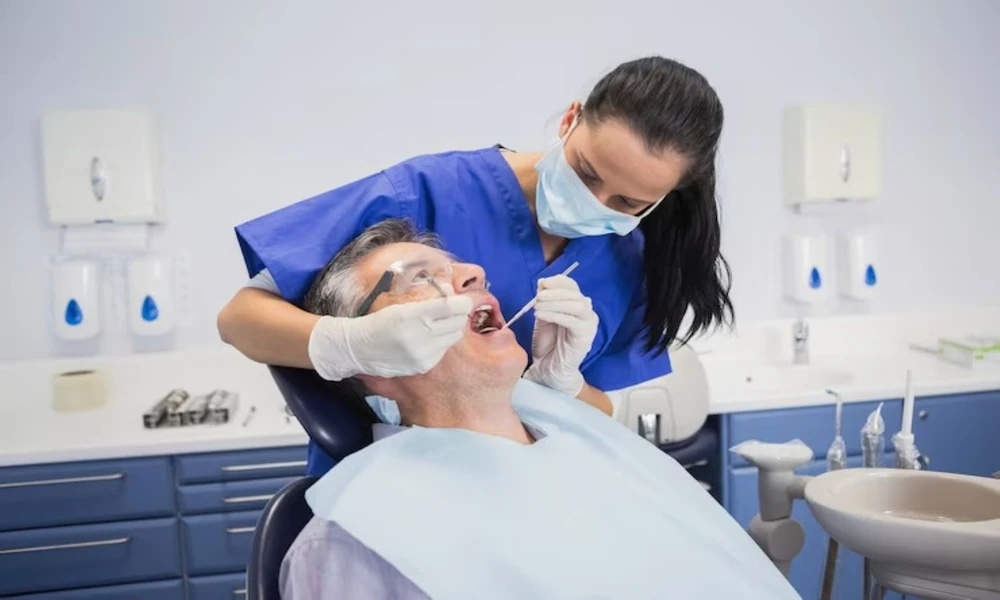
You might have noticed a little twinge when you drink something cold, or maybe your gums bleed when you brush, and a small voice in the back of your mind keeps saying, “I should get my teeth checked.” Then life happens, time passes, and before you know it, it has been years since your last visit to a general dentist-when all along, you could have had access to quality dental care serving Chelsea.
That in-between place can feel uncomfortable. You know your mouth is important for eating, speaking, even your confidence when you smile, yet the thought of sitting in a dental chair might bring up worry about pain, cost, or what the dentist might find. You are not alone in that. Many people wait until there is a crisis before they schedule an exam.
Here is the short version. If you notice rising sensitivity, bleeding or swollen gums, bad breath that will not go away, changes in how your teeth fit together, or it has simply been longer than a year since your last full checkup, it is time to schedule a complete general dental exam. Doing that now can save you money, time, and discomfort later.
So how do you know when waiting is risking your health, and when it is time to act?
1. Has tooth sensitivity gone from “annoying” to “hard to ignore”?
Maybe it started as a quick zing when you had ice cream. Now hot coffee, cold water, or even breathing in cold air makes you wince. It is easy to shrug it off and switch sides when you chew, yet sensitivity is your body’s way of waving a flag.
That sensitivity can come from thinning enamel, tiny cracks, grinding your teeth, gum recession, or an early cavity. On the surface, it feels like “just” a small ache. Underneath, it can be the first sign that decay is starting or that your gums are pulling back, exposing the more delicate part of the tooth.
The concern is that sensitivity rarely fixes itself. If there is a cavity, it will grow. If your gums are receding, the exposed root can become painful and more prone to decay. A general dentist can check what is really going on through a routine dental exam, which looks at your teeth, gums, and bite as a whole, not just the one tooth that hurts.
So if you find yourself changing what or how you eat because of sensitivity, that is a clear sign you are due for a thorough checkup.
2. Are your gums trying to tell you something every time you brush?
Bleeding gums are common. Many people see a little pink in the sink and think, “I brushed too hard” or “My toothbrush is new.” That may be true once in a while. When it happens often, or your gums look puffy or darker red, something deeper may be going on.
Early gum disease, called gingivitis, usually does not hurt. That is what makes it tricky. Your gums might bleed when you floss, your breath may not feel fresh, and you might see a bit of swelling. It is easy to ignore, because you can still eat and talk without trouble.
The problem is that untreated gum issues can progress quietly. Over time, they can affect the bone that holds your teeth in place. The CDC explains how common gum disease is and how strongly it is linked to overall health, including conditions like diabetes and heart disease.
If your gums bleed regularly, feel tender, or you notice they are pulling away from your teeth, that is a strong sign you need an in depth general dentist examination, not just a quick cleaning.
3. Is bad breath hanging around no matter what you do?
Everyone has morning breath or the occasional strong odor after certain foods. That is normal. What is more worrying is bad breath that sticks around even when you brush, floss, and use mouthwash.
Persistent bad breath can come from trapped food, bacteria under the gums, dry mouth, or untreated decay. You might feel embarrassed or anxious in close conversations, or you may find yourself popping mints all day just to feel comfortable around people.
Instead of masking the odor, a full exam with a general dentist can help uncover the cause. It might be something as simple as hardened plaque that needs to be removed, or it might be a sign of gum disease or an infection that has been brewing for a while.
If you are avoiding speaking too closely to people because of your breath, that is your cue that a detailed checkup is overdue.
4. Have you noticed changes in your bite, jaw, or how your teeth look?
Teeth and bites do not usually shift overnight. The change is slow, which can make it easy to miss. You might notice that your jaw feels tired, your teeth feel a bit loose, your fillings feel “high,” or your front teeth are starting to crowd or flare.
These shifts can come from grinding or clenching, gum disease, bone loss, or old dental work that needs attention. You might wake up with headaches, jaw soreness, or tooth wear that looks like the edges are flattening or chipping.
A full general dental checkup looks beyond cavities. It includes examining how your teeth fit together, how your jaw moves, and whether any teeth are under extra stress. Addressing these issues early can prevent fractures, broken fillings, and even tooth loss.
If your bite feels “off,” your jaw is clicking or locking, or your teeth look shorter or more crowded than before, that is another sign a general dentist should see you soon.
5. Has it been more than a year since your last full dental exam?
Sometimes the biggest sign is the simplest one. Life gets busy, schedules fill up, and dental care slips to the bottom of the list, especially if nothing hurts yet. Many people wait until they are in real pain before they call a dentist.
Most adults do best with a full exam and cleaning once or twice a year, depending on their oral health and risk factors. That schedule is not just about clean teeth. It is about catching changes early, when treatment is easier, less invasive, and usually less expensive.
If you cannot remember the last time a dentist checked every tooth, your gums, your bite, and took updated X rays, then you are due. That is exactly what a general dentist visit is for. It is your chance to reset, get a clear picture of your oral health, and make a plan that fits your budget and comfort level.
What are the real trade offs of delaying a general dental exam?
You might be weighing two uncomfortable choices in your mind. On one side, the cost, time, and fear of what a dentist might say. On the other, the quiet worry that something is getting worse while you wait. So where does that leave you?
It can help to see the differences side by side. The table below compares what usually happens when you stay on top of exams versus when you put them off for years.
| Topic | Regular general dental exams | Delaying care for years |
|---|---|---|
| Cost over time | Smaller, more predictable costs for cleanings and minor fixes | Higher chance of large, sudden bills for root canals, crowns, or extractions |
| Comfort | Short visits, less pain, early treatment while issues are small | Greater risk of severe toothache, infections, and emergency visits |
| Time away from work or family | Planned appointments that you can schedule ahead | Unplanned urgent visits that disrupt work and family plans |
| Oral health | Higher chance of keeping your natural teeth and healthy gums | Increased risk of gum disease, tooth loss, and complex treatment |
| Financial help | Easier to use insurance or programs for preventive care | Coverage may be limited for advanced procedures or may require approvals |
Money is a real concern for many people. If you rely on government coverage, you may wonder whether it will help with exams or cleanings. Some state Medicaid programs do cover certain dental services for adults, especially exams, X rays, and treatment for pain or infection. The details vary by state, so it is worth checking the rules where you live. You can start with this overview of Medicaid and dental coverage to see what might be available.
When you look at the trade offs, waiting usually costs more in discomfort, money, and time than scheduling that exam now.
What can you do right now to protect your teeth and gums?
Knowing you are due for an exam is one thing. Moving from knowing to doing is another. So what are some simple steps you can take today that move you forward without feeling overwhelming?
1. Do a quick “home check” of your mouth
Stand in front of a mirror with good light. Gently pull your lips back and look at your teeth and gums. Ask yourself:
- Do I see any dark spots, chips, or cracks on my teeth
- Are my gums red, puffy, or bleeding when I brush or floss
- Do any teeth feel loose, sore, or “different” when I bite
- Have I noticed ongoing bad breath or a bad taste in my mouth
You do not need to diagnose anything. This is just a way to be honest with yourself about what you are seeing and feeling. If you notice any of the five signs above, that is your signal to schedule with a general dentist.
2. Call a general dentist and be upfront about your worries
When you contact a dental office, you do not have to pretend everything is fine. You can say, “It has been a long time. I am nervous, and I am worried about costs.” A good office hears that every day and can walk you through what an initial exam costs, what insurance or programs you might use, and what to expect during the visit.
If you have dental anxiety, ask about small comforts that can help, such as breaks during treatment or talking through each step before they start. Feeling heard often lowers anxiety more than anything else.
3. Make one small daily change until your appointment
While you are waiting for your exam date, choose one habit to strengthen, not ten. For example:
- Brush twice a day for two minutes with a fluoride toothpaste
- Add flossing once a day, even if it is only a few teeth at first
- Cut down on sipping sugary drinks throughout the day
Small, steady changes protect your mouth now and make future visits smoother. They also give you a sense of control, which matters when you feel anxious about your health.
Moving forward without feeling overwhelmed
Needing a comprehensive general dental exam does not mean you have failed at taking care of yourself. It simply means your mouth is asking for attention, just like any other part of your body would.
You do not have to fix everything at once. You only need to take the next right step. That might be making a list of your symptoms, checking your coverage, or picking up the phone to schedule with a general dentist. From there, you and your provider can create a plan that fits your life, your budget, and your comfort level.
Your teeth and gums are with you for every smile, every meal, and every conversation. Giving them an honest, thorough check is a kind of respect for yourself. If any of the five signs here sound familiar, this is your gentle nudge to act now rather than wait for a crisis.
