
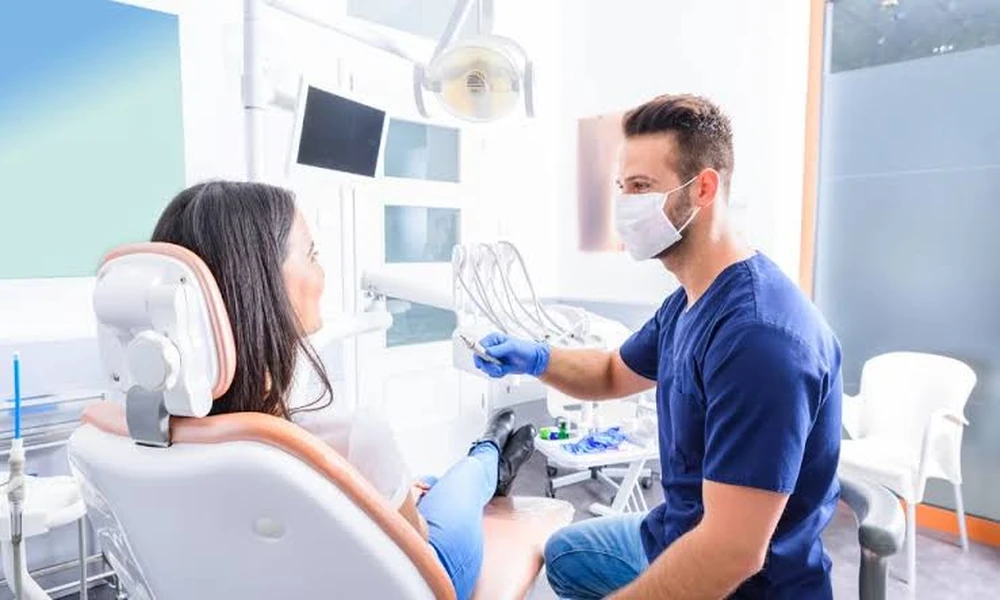
A broken tooth can happen unexpectedly while eating, playing sports, or after an accidental fall. While some broken teeth cause only minor cosmetic damage, others can lead to severe pain, infection, or permanent tooth loss if not treated promptly. Knowing when a broken tooth requires immediate dental care can help protect your oral health and improve the chances of saving the tooth.
The severity of the break, the presence of pain, and whether the inner part of the tooth is exposed all influence whether the situation is considered a dental emergency. Understanding the warning signs can help patients seek timely treatment and avoid further complications.
For patients in Ontario, acting quickly after a dental injury often allows for more treatment options and better long-term outcomes.
Understanding Broken Teeth
A broken tooth can range from a small chip in the enamel to a severe fracture that extends into the tooth’s root. Not every break requires emergency treatment, but every damaged tooth should be evaluated by a dental professional.
Common causes of broken teeth include:
- Biting hard foods
- Sports injuries
- Falls and accidents
- Teeth grinding or clenching
- Untreated tooth decay
- Large, weakened fillings
The type and severity of the fracture determine the most appropriate treatment.
When Is a Broken Tooth Considered a Dental Emergency?
Some broken teeth require immediate attention to relieve pain, prevent infection, or preserve the tooth.
Severe Pain
If the broken tooth causes intense or persistent pain, it may indicate that the damage has reached the inner pulp where the tooth’s nerves and blood vessels are located.
Prompt evaluation can help prevent the condition from worsening.
Heavy Bleeding
Bleeding from the tooth or surrounding gums that does not stop after applying gentle pressure should be assessed immediately.
A Large Portion of the Tooth Has Broken Off
When a significant part of the tooth is missing, the remaining structure may be weakened and more vulnerable to additional damage.
Immediate treatment can help stabilize the tooth.
A Knocked-Out or Nearly Detached Tooth
A tooth that has been completely knocked out or is barely attached requires urgent dental care.
Seeking treatment as quickly as possible may improve the chances of saving the tooth.
Swelling or Signs of Infection
A broken tooth accompanied by swelling, pus, fever, or a bad taste in the mouth may indicate an infection requiring prompt professional treatment.
When a Broken Tooth May Not Require Immediate Emergency Care
Some minor fractures are less urgent but should still be evaluated as soon as possible.
Examples include:
- Small chips affecting only the enamel
- Minor cosmetic damage without pain
- Slight rough edges
- Small cracks with no sensitivity
Although these injuries may not require same-day treatment, delaying evaluation could allow the damage to worsen over time.
What Should You Do Immediately After Breaking a Tooth?
Taking the right steps before reaching the dentist may help protect the tooth.
Recommended first-aid measures include:
- Rinse your mouth gently with warm water.
- Save any broken tooth fragments if possible.
- Apply a cold compress to reduce swelling.
- Avoid chewing on the injured side.
- Cover any sharp edges with dental wax if available.
- Take over-the-counter pain medication as directed if needed.
Avoid attempting to repair the tooth yourself using household adhesives or other materials.
Common Treatments for Broken Teeth
Treatment depends on the extent of the damage and the health of the remaining tooth.
Your dentist may recommend:
Dental Bonding
Minor chips and small fractures can often be repaired with tooth-colored composite resin.
Dental Crowns
Teeth with moderate to significant structural damage may require a crown to restore strength and protect against future fractures.
Root Canal Therapy
If the fracture exposes or damages the pulp, root canal treatment may be needed before restoring the tooth.
Tooth Extraction
When the tooth cannot be repaired, extraction may be necessary. Replacement options such as dental implants or bridges may then be discussed.
Early diagnosis often allows for more conservative treatment.
Prevention and Treatment Considerations
Although accidents cannot always be prevented, several habits can reduce the risk of breaking a tooth.
Prevention Tips
- Wear a mouthguard during sports.
- Avoid chewing ice and hard candies.
- Do not use your teeth to open packages.
- Address teeth grinding with a custom nightguard if recommended.
- Maintain regular dental examinations.
- Treat cavities before they weaken the tooth.
Related Dental Treatments
Depending on your oral health needs, your dentist may also recommend:
- Dental crowns
- Root canal therapy
- Dental bonding
- Dental implants
- Family dentistry
- Preventive dental care
A comprehensive treatment plan helps restore both function and appearance.
What to Expect During an Emergency Dental Visit
Examination
Your dentist evaluates the broken tooth, surrounding tissues, and overall oral health.
Diagnostic Imaging
Digital X-rays may be taken to determine whether the fracture extends below the gumline or affects the tooth root.
Treatment Planning
The dentist explains the available treatment options based on the severity of the injury.
Immediate Care
If possible, emergency treatment is provided to relieve pain, stabilize the tooth, and reduce the risk of complications.
Follow-Up Care
Some patients require additional appointments to complete permanent restorative treatment after the emergency has been addressed.
Local Considerations for Ontario Patients
Ontario patients who experience a broken tooth should seek professional evaluation promptly, especially if the injury causes pain, swelling, or significant tooth damage. Delaying treatment may increase the risk of infection or reduce the chances of preserving the affected tooth.
Patients with dental injuries may benefit from visiting a dentist’s office for prompt assessment and personalized treatment recommendations.
Depending on the severity of the injury, your dentist may recommend emergency dental care in Cambridge, dental crowns, or other restorative treatments to repair the damaged tooth and restore normal function.
Frequently Asked Questions
Is every broken tooth considered a dental emergency?
No. Small chips without pain may not require immediate treatment, but all broken teeth should be evaluated by a dentist to determine the extent of the damage.
Can I wait a few days before seeing a dentist?
Minor chips may be able to wait briefly, but broken teeth causing pain, bleeding, swelling, or significant fractures should be treated as soon as possible.
What should I do if I break a tooth at night?
Rinse your mouth with warm water, apply a cold compress if there is swelling, avoid chewing on the affected side, and contact an emergency dentist as soon as possible.
Can a broken tooth heal on its own?
No. Unlike bones, teeth cannot heal naturally. Professional dental treatment is needed to restore the tooth and prevent further damage.
Will I always need a crown for a broken tooth?
Not necessarily. Small chips may only require bonding, while larger fractures often need crowns or other restorative procedures.
What happens if I ignore a broken tooth?
Untreated fractures can worsen over time, allowing bacteria to enter the tooth and increasing the risk of infection, root canal treatment, or tooth loss.
Final Thoughts
A broken tooth is not always a dental emergency, but certain symptoms-such as severe pain, heavy bleeding, swelling, or significant fractures-require prompt professional care. Knowing the difference between a minor chip and a serious dental injury can help patients seek treatment at the right time and reduce the risk of long-term complications.
If you experience a broken tooth, an early dental evaluation offers the best opportunity to protect your oral health and preserve your natural tooth. Regular dental checkups and professional guidance can help patients maintain long-term oral health and address concerns before they become more serious.
