
Dry needling is sometimes presented as a broadly beneficial treatment worth trying for almost any muscular discomfort, when in practice its usefulness depends considerably on the specific type of issue involved. Understanding who benefits most from dry needling and when to try it helps set realistic expectations before starting, rather than approaching it as a general-purpose remedy suited to any complaint.
Why Dry Needling Isn’t a Universal Fit
Dry needling specifically targets myofascial trigger points, tight, sensitive bands within muscle tissue, which means it tends to be most useful for issues genuinely rooted in this kind of muscular tension rather than for pain originating from a joint, nerve, or other structural source. A practitioner should assess whether a specific presentation is genuinely suited to this technique before recommending it, rather than defaulting to it for any complaint involving muscular discomfort.
What Dry Needling Actually Involves
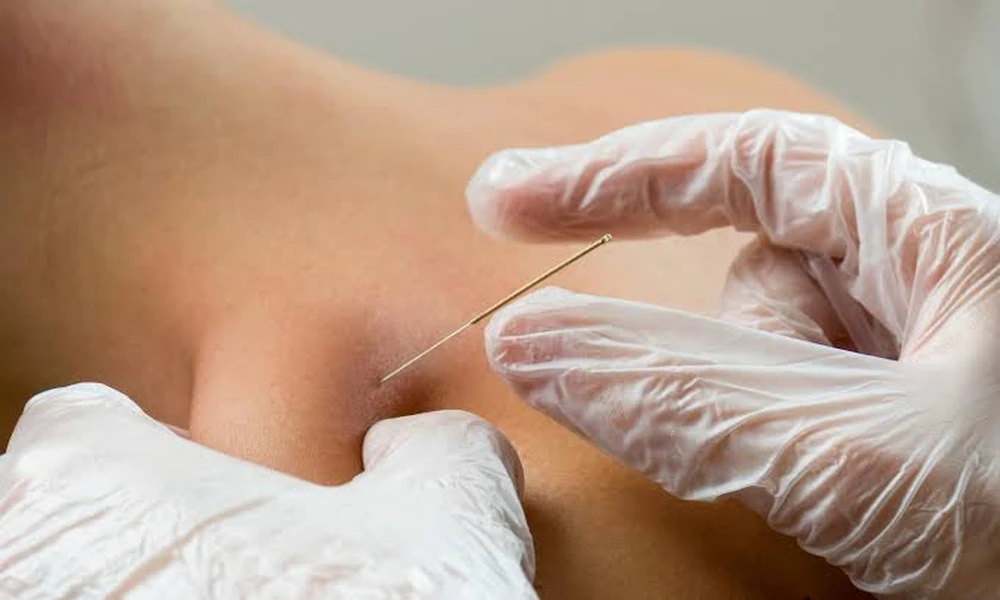
The technique uses thin, solid needles inserted directly into identified trigger points, aiming to release tension and reduce the sensitivity of the affected muscle tissue. This differs meaningfully from acupuncture in both underlying rationale and technique, even though both approaches use a similar type of needle, which is a distinction worth understanding before deciding whether dry needling is the right fit for a given issue.
Conditions Where Dry Needling Is Commonly Considered
Dry needling is commonly considered for muscular tightness contributing to neck and shoulder discomfort, certain presentations of lower back tension, and some sports-related muscular strain, where trigger points are a genuinely identifiable contributing factor. Whether it is actually appropriate for a specific case still depends on individual assessment, since the presence of general muscular discomfort alone does not automatically mean trigger points are the primary driver.
Signs You Might Be a Reasonable Candidate
A patient with identifiable, localised areas of muscular tightness that reproduce familiar discomfort when pressed, and whose issue has not responded well to other conservative approaches alone, is often a reasonable candidate worth discussing with a practitioner. This is a starting point for conversation with a qualified practitioner rather than a self-diagnosis checklist, since a proper assessment remains the appropriate way to confirm actual suitability.
When Dry Needling Is Typically Not Recommended
Dry needling is generally not recommended for patients with certain bleeding disorders, active infection near the treatment site, or a genuine needle phobia that would make the experience counterproductive, and a responsible practitioner should screen for these factors before proceeding. Anyone considering who benefits most from dry needling and when to try it should expect this kind of screening as a standard part of the initial consultation, not an afterthought raised only if a patient happens to mention a relevant condition themselves.
What a Session Actually Feels Like
Most patients describe a brief, sharp sensation on needle insertion followed by a dull ache or twitch response as the needle reaches the trigger point, which typically settles within the session. Some mild soreness in the treated area for a day or two afterward is common and generally expected, similar to the soreness following an intense workout, rather than a sign that something has gone wrong.
How Many Sessions Are Typically Needed
The number of sessions needed varies by individual and by how the specific issue responds, with some patients noticing a meaningful change after just one or two sessions while others require a longer course alongside other treatment approaches. A practitioner should reassess progress after an initial handful of sessions rather than committing a patient to an extended course upfront without evidence that the approach is actually working for that individual.
Combining Dry Needling With Other Treatment
Dry needling is often used alongside other approaches, manual therapy, targeted exercise, rather than as a standalone treatment, since addressing the broader factors contributing to muscular tension tends to produce more durable results than needling in isolation. A practitioner who presents dry needling as a complete, self-sufficient solution without discussing complementary approaches may be overstating what the technique alone can reasonably achieve.
Questions to Ask Before Trying It
Asking a practitioner why they believe dry needling is suited to your specific presentation, what result is realistically expected, and how progress will be measured gives a much clearer picture than accepting a general recommendation without further discussion. A practitioner comfortable answering these questions specifically is generally offering a more genuinely considered recommendation than one presenting it as a default option for any muscular complaint.
Deciding Whether to Try Dry Needling
A proper assessment, rather than a general assumption based on symptom description alone, remains the most reliable way to determine whether dry needling genuinely suits a specific case. Discussing who benefits most from dry needling and when to try it openly with a qualified practitioner, rather than deciding based on general online information alone, gives a patient the clearest, most individually relevant picture before proceeding.
