
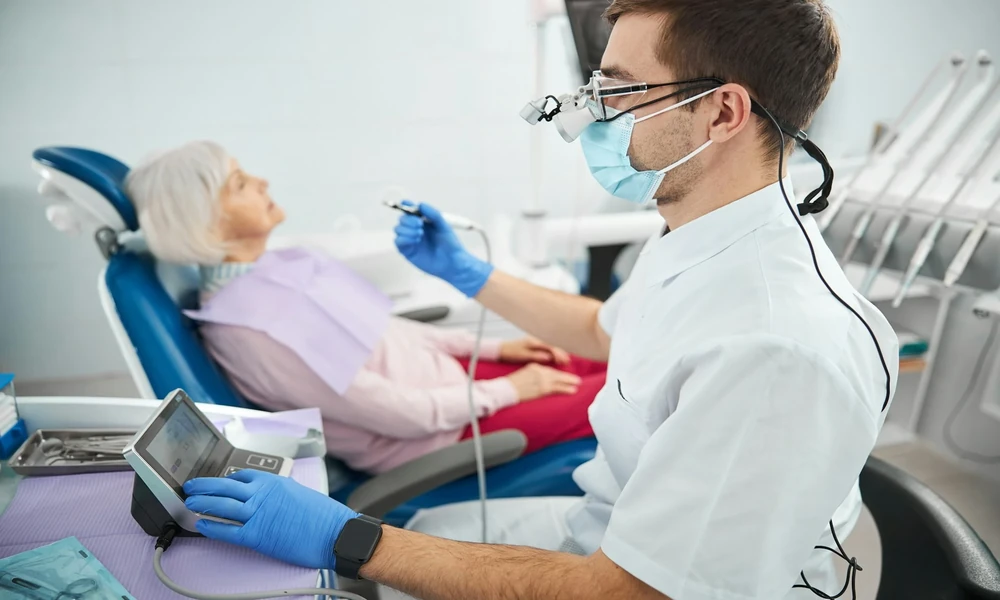
You may be dealing with more than a missing tooth or jaw pain. Sometimes the problem reaches deeper, into the bone, the bite, the way your face feels at rest, and even your confidence when you speak or eat. When damage comes from trauma, infection, cancer treatment, or long term tooth loss, the fix is not just cosmetic. It is structural. It is personal. Working with an oral surgeon for jaw alignment surgery New Braunfels patients trust can help bring clarity to complex treatment decisions. It can also feel overwhelming when every appointment brings new terms, new costs, and new decisions.
This is where an oral surgeon and implant dentist often steps in. Reconstructive dental work is about restoring function first, then appearance, so your mouth can work the way it should again. In many cases, oral surgeons handle the parts that involve bone, soft tissue, jaw position, tooth replacement support, and complex healing. Their role sits at the center of planning, surgery, and recovery.
Oral surgeons restore structure when routine dental care is not enough
Basic dental treatment works well for cavities, simple extractions, and standard crowns. Reconstruction is different. If you have lost bone after years without teeth, suffered a facial injury, or need care after tumor treatment, the issue is no longer just the tooth you can see. The support system under it has changed.
An oral surgeon evaluates the jawbone, gums, nerves, bite alignment, and sinus space when needed. That matters because placing a dental implant into weak or thin bone can fail. Rebuilding a damaged jaw without looking at how the upper and lower teeth meet can leave you with pain, uneven wear, or trouble chewing.
The role of oral surgeons in reconstructive dental procedures often includes bone grafting, dental implant placement, ridge preservation, sinus lifts, jaw reconstruction, and surgical treatment after injury or disease. In more advanced cases, they work alongside prosthodontists, oncologists, ENT specialists, and general dentists to rebuild both function and appearance.
You see this often after head and neck cancer treatment. Surgery and radiation can affect bone, tissue, and healing. The National Cancer Institute outlines how treatment for cancers of the lip and mouth may involve surgery that changes oral structures and function, which is why reconstruction becomes part of recovery. You can learn more through this National Cancer Institute resource on lip and mouth cancer treatment.
Reconstructive dental surgery addresses the damage you cannot ignore
The longer a structural problem sits, the more it tends to spread. A missing tooth can lead to bone loss. Bone loss can affect implant options. A poor bite can strain the jaw joint. Jaw injuries can leave you with limited opening, pain, or shifting teeth. MedlinePlus explains that jaw disorders and injuries can affect chewing, speech, and daily comfort, not just appearance. This overview of jaw injuries and disorders shows how wide the impact can be.
That is why reconstructive oral surgery is rarely about one procedure. It is usually a sequence. You might need an extraction first, then grafting, then healing time, then implant placement, then the final restoration. If there has been trauma, the plan may include stabilizing fractures, correcting alignment, and rebuilding lost support. If the case follows disease, the surgeon may focus on preserving healthy tissue while giving future dental work a stable foundation.
There is also the emotional side. You may be tired of hiding your teeth, eating on one side, or worrying that one more problem will push treatment even farther out of reach. That stress is real. Reconstruction asks for patience, and patience is hard when your mouth affects every meal and every conversation.
Modern oral and maxillofacial surgery relies on planning, healing, and tissue support
Successful reconstruction depends on what happens before surgery as much as during it. Imaging, models, digital planning, and medical review help the surgeon decide whether bone grafting is needed, where implants can go safely, and how to protect nerves and nearby structures. The best plan is not always the fastest one. It is the one that gives your mouth the best chance to heal well and stay stable.
Research continues to improve what is possible. The National Institute of Dental and Craniofacial Research highlights advances in regenerative medicine in dental and craniofacial care, including work on tissue repair and regeneration. That matters because rebuilding bone and soft tissue is one of the main limits in complex cases.
| Situation | General Dental Fix | Oral Surgeon Approach | Main Goal |
|---|---|---|---|
| Single missing tooth with healthy bone | Bridge or standard implant referral | Implant placement if bone support is adequate | Replace tooth and preserve function |
| Missing teeth with bone loss | Denture or delayed treatment | Bone grafting, ridge preservation, implant planning | Rebuild support before replacement |
| Jaw injury or fracture | Temporary symptom management | Stabilization, alignment correction, surgical repair | Restore bite, movement, and structure |
| Defects after cancer surgery | Limited restorative options alone | Reconstruction of bone and soft tissue with team care | Recover speech, chewing, and appearance |
Clear next steps make complex dental reconstruction feel manageable
Get a full diagnostic workup. Ask for imaging, bite evaluation, and a written treatment sequence. You need to know what is damaged, what can be preserved, and which steps depend on healing first. A rushed treatment plan often becomes a more expensive one later.
Ask who is leading the reconstruction. Complex cases need one person coordinating the surgical side, especially when implants, grafts, jaw correction, or medical history are involved. If you are searching for an oral surgeon for advanced rebuilding, ask how they coordinate with your general dentist and restorative team.
Plan for the full timeline, not just the first procedure. Reconstruction often unfolds over months. Ask about healing periods, temporary tooth options, nutrition during recovery, and total expected costs. When you know the sequence, the process feels less chaotic and you can make decisions with a clear head.
Rebuilding your mouth can also rebuild daily life
When your mouth is not working right, it touches everything. Meals become stressful. Smiling feels forced. Pain drains your attention. The right surgical plan can change that by restoring the foundation, not just covering the problem. That is the real value behind dental reconstruction done well.
If you are facing bone loss, jaw injury, missing teeth, or treatment after illness, getting the right evaluation is the next move. An oral surgeon and implant dentist can map out what is possible and what needs to happen first, so you can move forward with less guesswork and more confidence.
