
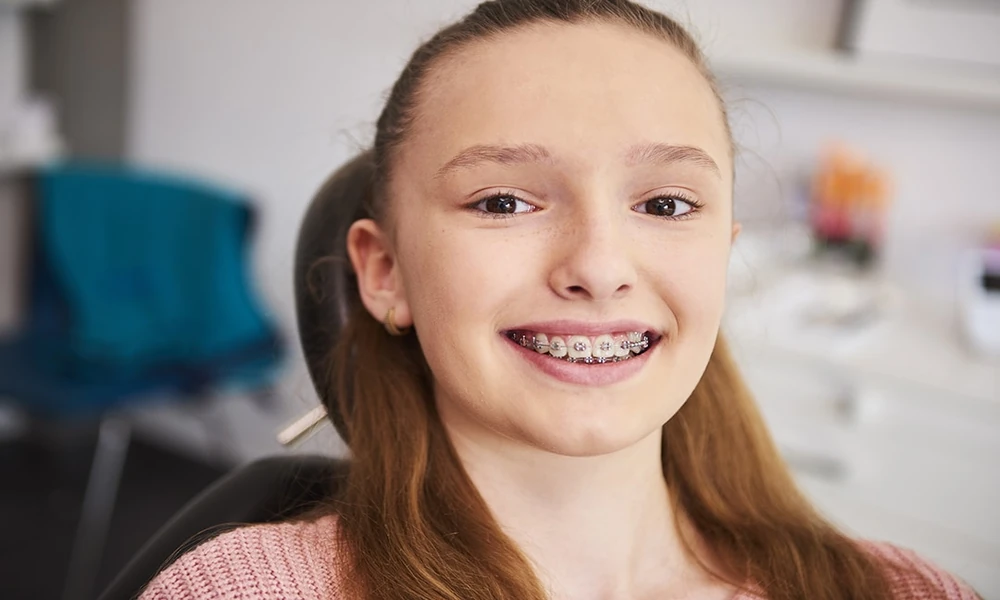
Many teens worry about whether orthodontic treatment will be uncomfortable. While braces and clear aligners can both cause some temporary soreness, this happens because gentle, steady pressure is needed to guide teeth into proper alignment.
Modern orthodontics is generally more comfortable than many people expect. If you need a good orthodontics for teens Reston VA, you can book an appointment at Tisseront Orthodontics. A consultation with an orthodontist can help determine which treatment approach is most appropriate for your child’s unique dental needs
Why Orthodontic Treatment Causes Discomfort
No matter which treatment a teen chooses, the goal is the same: gradually move teeth into healthier positions. This movement creates pressure on the teeth and supporting tissues, which can lead to temporary soreness.
Many teens notice mild discomfort:
- During the first few days of treatment
- After orthodontic adjustments
- When changing to a new aligner set
- As teeth begin shifting into place
Thankfully, this uneasiness is generally short-lived and tends to subside as the mouth adapts.
Do Clear Aligners Feel More Comfortable?
In many cases, yes. Clear aligner treatment uses a series of thin plastic trays that are carefully molded to fit over the teeth. Since there are no brackets or wires, teens often experience less irritation to their cheeks, lips, and gums.
Some advantages of clear aligners include:
- Smooth surfaces with fewer sharp edges
- Less rubbing against soft tissues
- Easy removal during meals and brushing
- Fewer emergency visits related to broken appliances
That said, aligners are not completely pain-free. A new tray may feel tight for the first day or two. Some teens describe it as pressure rather than pain.
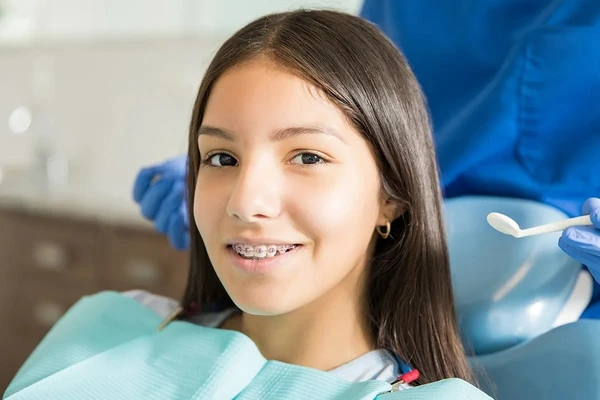
What About Traditional Braces?
Braces remain one of the most effective orthodontic solutions, especially for complex alignment or bite issues. Since they use brackets and wires attached to the teeth, they can occasionally cause irritation inside the mouth, particularly right after placement or adjustments.
Common complaints include:
- Sore teeth after wire adjustments
- Mild irritation on the cheeks or lips
- Sensitivity when chewing certain foods
Still, modern braces are generally smaller and more comfortable than older designs. Most teens can surprisingly adapt quickly, usually within just a few days.
Comfort Depends on the Teen
Here is the interesting part. Comfort is not decided only by the appliance itself.
A responsible teen who wears aligners as directed may find them very comfortable. Consistent wear is important with clear aligners. When teens take them out too often or forget to replace them, the teeth may need to readjust each time the aligners are reinserted, causing temporary soreness. Braces, on the other hand, remain fixed in the mouth and continue guiding tooth movement at all times.
Final Thoughts
So, do clear aligners hurt less than braces for teenagers? Many teens report that clear aligners feel less bothersome than traditional braces, largely because they eliminate the metal parts that can sometimes cause discomfort.
Still, both treatments involve temporary soreness as teeth move. The best choice depends on your teen’s orthodontic needs, lifestyle, and level of responsibility. A professional orthodontic evaluation can help determine which option will provide the healthiest smile and the most comfortable treatment experience.
