
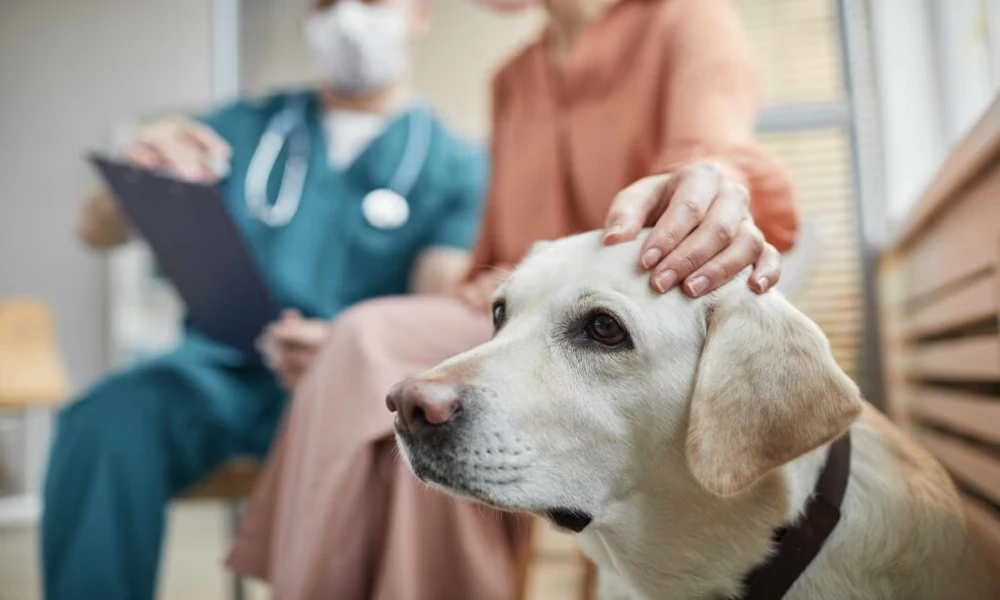
You notice a bruise where there should not be one, or your pet leaves a small spot of blood on the floor, and your mind goes straight to the worst place. That reaction makes sense. Bleeding that seems to come out of nowhere can point to a minor injury, but it can also signal a clotting problem, low platelets, toxin exposure, immune disease, or an illness affecting the liver, bone marrow, or blood vessels. When an animal clinic, such as a veterinarian in Barrie, Ontario, checks unexplained bruising and bleeding in pets, the goal is simple. Find out whether the body is failing to stop bleeding, whether blood cells are too low, or whether there is an injury or disease hiding underneath it.
Some pets still act normal at first. They eat, wag, nap, and follow you around as usual. That can make it harder to judge how serious things are. A small bruise may be the first visible sign of a larger problem. Nosebleeds, bleeding gums, pinpoint red spots on the belly, dark stool, pale gums, weakness, or swelling after a routine bump all deserve prompt veterinary care.
Unexplained bruising or bleeding in pets usually starts with triage and a careful history
At an animal clinic, the first step is often faster than people expect. The team checks whether your pet is stable, because active bleeding, collapse, trouble breathing, or severe weakness changes everything. If your pet is in distress, treatment may begin before the full workup is finished.
Once your pet is stable, the veterinarian builds the story. You may be asked when you first noticed the bruising, whether there has been vomiting, diarrhea, coughing, limping, or changes in appetite, and whether your pet could have gotten into rat poison, human medications, supplements, onions, garlic, or xylitol. Recent surgery, a tick bite, vaccine timing, rough play, or even a new over the counter pain reliever can matter.
The physical exam looks for patterns. Bruises under the skin, tiny red pinpoints called petechiae, bleeding from the gums, blood in urine, swollen joints, abdominal pain, enlarged lymph nodes, or a distended belly all push the clinic toward different causes. A pet with pale gums and a fast heart rate may already be losing significant blood internally.
Diagnostic testing helps animal clinics sort clotting problems from injuries and disease
Bloodwork usually comes early. A complete blood count checks red cells, white cells, and platelets. Platelets are central to clotting, so low numbers can explain bruising and spontaneous bleeding. Chemistry testing looks at organs such as the liver and kidneys, because those organs affect clotting factors and overall health.
Clotting tests measure how long blood takes to clot. If these times are prolonged, the clinic may suspect toxin exposure, liver disease, inherited clotting disorders, or severe illness. The Merck Veterinary Manual overview of hemostatic disorders in animals explains how problems with platelets, blood vessels, and clotting factors can all lead to abnormal bleeding.
Urinalysis and fecal testing can reveal hidden blood loss. Blood smears let the veterinarian examine cells under a microscope, which helps catch platelet clumping, abnormal cells, or blood parasites. If there is concern for internal bleeding, imaging becomes important. X rays can show fluid, masses, or trauma. Ultrasound gives a closer look at the abdomen and can help identify bleeding in the belly, splenic masses, liver disease, or other internal problems. Cornell’s internal medicine and imaging service outlines how imaging supports diagnosis when symptoms point to deeper disease.
Sometimes the workup stays straightforward. A dog gets into anticoagulant rodenticide, clotting times are abnormal, and treatment starts right away. Other cases take longer. A cat with bruising may have immune mediated thrombocytopenia, cancer affecting the bone marrow, or an infection that lowers platelets. A senior dog with a swollen abdomen may turn out to have a bleeding splenic tumor. This is why veterinary testing for unexplained bleeding often happens in layers rather than all at once.
Testing decisions depend on how your pet is bleeding and how quickly signs are changing
The clinic is not just asking, “Why is there blood?” It is also asking, “How dangerous is this right now?” A few small bruises on a bright, stable pet may allow for staged testing. Ongoing nosebleeds, weakness, or a rapidly growing bruise after a simple blood draw can point to a more urgent clotting issue.
That urgency affects cost and timing. Emergency stabilization may include intravenous fluids, oxygen, vitamin K therapy if rat poison is suspected, blood products, or medications to control immune driven disease. If your pet needs a transfusion or overnight monitoring, the plan becomes more intensive fast. That can feel overwhelming, especially if the signs seemed minor a few hours earlier.
VCA’s guide on testing for signs of bleeding shows how veterinarians use clotting tests, platelet checks, and other diagnostics to identify where the problem is starting.
Home monitoring and animal clinic care serve very different roles
| Situation | What You Can Do at Home | What the Animal Clinic Can Do |
|---|---|---|
| Small bruise with normal behavior | Take photos, limit rough activity, check gums and appetite, note any new meds or toxin exposure | Perform exam, CBC, platelet count, clotting tests if needed |
| Nosebleed or bleeding gums | Keep your pet calm, prevent running or jumping, avoid giving human medication | Assess blood loss, run clotting tests, begin treatment if active bleeding continues |
| Petechiae or multiple bruises | Seek same day care, bring a list of medications and possible exposures | Check for platelet disorders, immune disease, infection, toxin exposure |
| Weakness, pale gums, distended belly, collapse | Go to emergency care immediately | Stabilize, image for internal bleeding, transfuse if needed, treat shock |
Clear next steps help when bleeding in pets feels hard to read
Document what you see. Take clear photos of bruises, note the time you first saw them, and track any bleeding from the nose, mouth, urine, or stool. If your pet seems tired or less hungry, write that down too. Small details help the clinic spot patterns.
Remove risks before the appointment. Stop rough play, keep your pet indoors or leash walked, and put away medications, rat poison, and supplements. Do not give aspirin, ibuprofen, or other human drugs unless a veterinarian has told you to do so.
Seek prompt veterinary care when signs spread or your pet seems weak. This is where a pet bleeding workup matters most. Bruising plus pale gums, trouble breathing, vomiting blood, black stool, or collapse is an emergency.
Fast answers matter, even when the first bruise seems small
Unexplained bruising or bleeding can be anything from a treatable clotting problem to a serious internal disease, and the difference is not something you can judge by appearance alone. The right animal clinic starts with stabilization, history, exam, and focused testing, then builds a treatment plan around what your pet needs right now. If you are seeing bruises, petechiae, nosebleeds, or any unusual bleeding, contact an animal clinic as soon as possible and have your pet evaluated.
