
Faced with a sore back, the instinct is to rest it until it settles and then look for the treatment that will remove the pain for good. Both halves of that instinct are unreliable. Prolonged rest slows recovery, and no single intervention suits everyone. Sensible lower back pain treatment singapore is usually a sequence of modest steps, starting with self-care and moving to professional help when needed. This guide sets out those steps in the order most people will meet them, with the local context in mind.
Sorting Back Pain into Three Groups
Clinicians broadly divide lower back pain into three categories. The largest is non-specific mechanical pain, with no serious underlying cause. The second involves a nerve root, producing leg pain, tingling or numbness, often from a disc or narrowing of the spinal canal. The third and smallest covers serious conditions such as fracture, infection, tumour or inflammatory disease. Working out which group applies is the first task, because it determines whether self-care, conservative treatment or urgent medical investigation is the right starting point.
The First Two Weeks: Self-Care
For a new episode without alarming features, the best evidence supports staying as active as pain allows. Short, frequent walks are better than bed rest. Heat packs may ease muscle spasm. Simple pain relief from a pharmacy can help for a few days if it is safe for the individual; a pharmacist can advise. Changing position regularly, avoiding long unbroken spells of sitting and returning to normal tasks in stages are all useful. Most episodes ease noticeably within this period with nothing further.
What Normal Recovery Looks Like
Improvement is seldom a straight line. Pain typically eases over the first fortnight, with good and bad days along the way, and a mild ache can linger for several weeks after function has returned. A brief flare after a longer walk or a day of chores is expected and does not mean damage has been done. The trend across a week is a better guide than any single day.
When to Bring in a Professional
Seek an assessment if pain has not started to improve after one to two weeks, if it is severe enough to prevent work or sleep, if it travels below the knee, or if episodes keep returning. Local clinics often see spinal complaints alongside related ones, so the same practice that treats backs may also have a headache chiropractor on the team for neck-related head pain. What matters at this stage is a proper examination and a clear explanation, whichever profession provides it.
Where to Go in Singapore
There are several entry points. A general practitioner or polyclinic doctor can assess, prescribe and refer to a public hospital specialist or physiotherapy service, which is the usual route for subsidised care. Private physiotherapists and chiropractors can generally be consulted directly without a referral, at the patient’s own expense unless covered by insurance or an employer scheme. For most uncomplicated cases, starting with primary care or a conservative practitioner is appropriate.
Manual and Exercise-Based Treatment
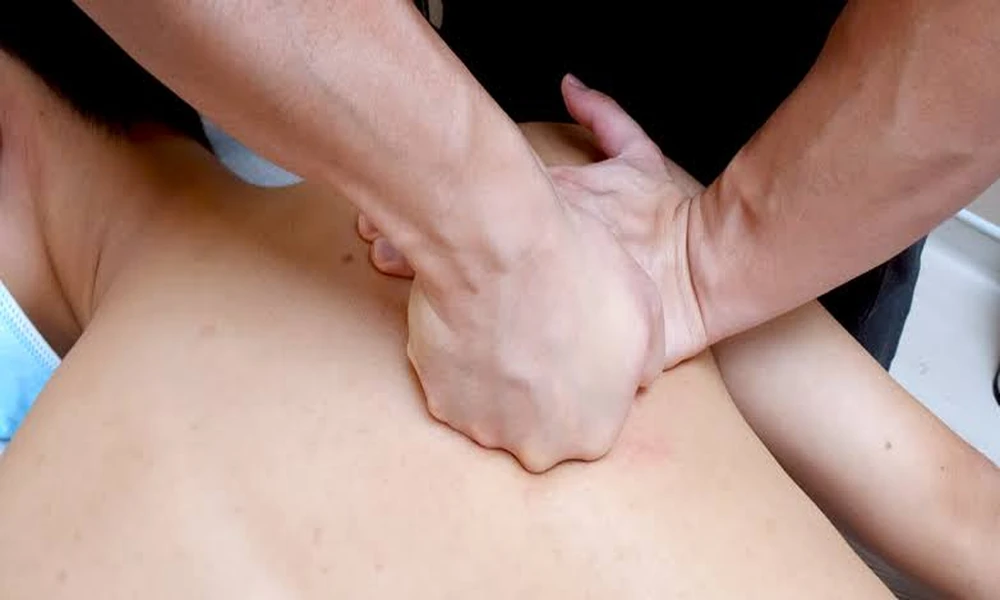
Conservative treatment centres on exercise, education and, for some, manual therapy. Exercise programmes may include walking, trunk and hip strengthening, mobility work or supervised classes; no one type is clearly superior, so adherence matters most. Spinal manipulation, mobilisation and massage may give short-term relief and make exercise easier. The evidence for each is moderate at best, and individual responses vary. A reasonable plan runs for several weeks with scheduled reviews, reducing in frequency as the patient takes over more of the work.
Medication and Its Limits
Medicines can reduce pain enough to keep a person moving, but they do not speed healing. Anti-inflammatory drugs are commonly used for short periods and carry risks for the stomach, kidneys and heart, so they are not suitable for everyone. Stronger painkillers and muscle relaxants have limited evidence and notable side effects. Any prescription should be for the shortest effective time and reviewed by a doctor. Relying on tablets alone, without addressing activity and strength, tends to leave the underlying pattern unchanged.
Scans, Injections and Surgery
MRI is reserved for suspected nerve compression that is severe or not improving, or for suspected serious disease. Routine scanning of ordinary back pain does not improve outcomes and can cause needless worry. Injections may be offered for persistent nerve-related leg pain, with temporary benefit in some cases. Surgery is considered for a small minority, chiefly where there is significant nerve compression with weakness, or leg pain that has not responded to months of conservative care. A specialist opinion is needed before any of these.
Work Habits and Prevention
A large share of recurrent back pain is linked to how working hours are spent. Long periods of sitting, repetitive lifting and little variation in posture all contribute. Adjusting a workstation helps less than simply moving more often through the day. Regular exercise of any kind lowers the chance of recurrence. Some employers address this through workplace wellness programmes that include ergonomic assessments, movement breaks and education sessions, and employees with access to such schemes should make use of them.
Choosing Your Next Step
Go straight to a doctor or emergency department for numbness in the saddle area, loss of bladder or bowel control, worsening leg weakness, fever, or pain after serious injury. Otherwise, begin with two weeks of active self-care. If progress is slow, book an assessment with a GP, physiotherapist or chiropractor and expect a diagnosis, an exercise plan and a review date. Give that plan four to six weeks. Ask about imaging or specialist referral only if function has not improved by then.
