
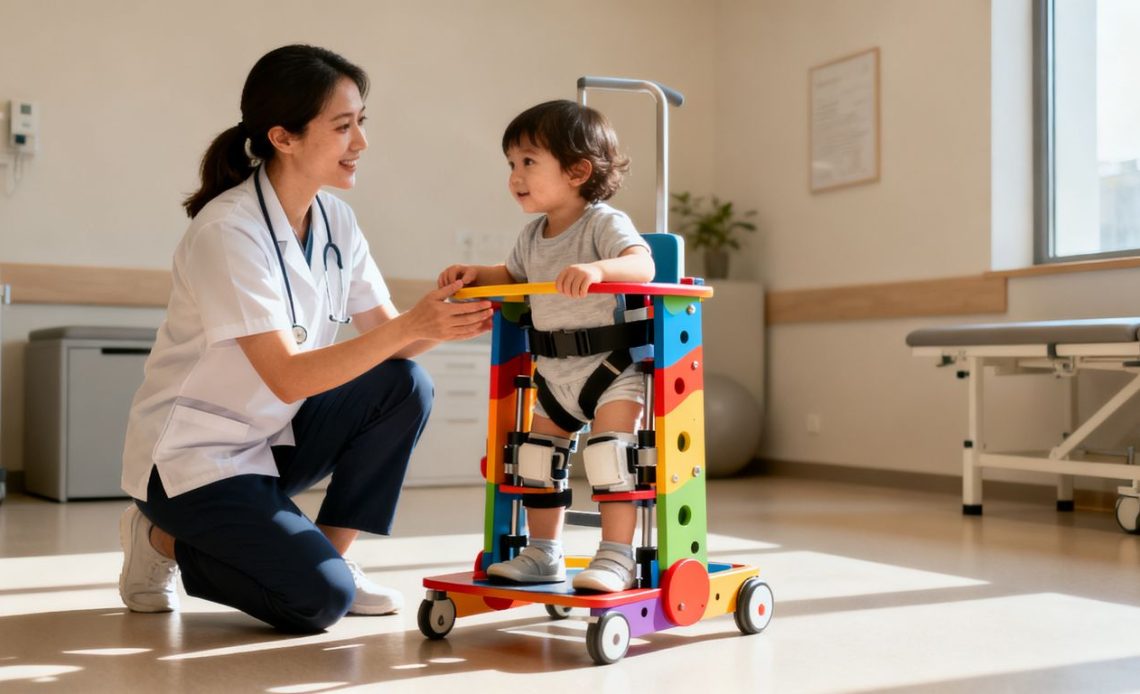
Managing a complex condition like cerebral palsy requires a coordinated effort between various medical specialists and family members. This process prioritizes the specific needs of the individual, ensuring that medical treatments align with life goals and functional capabilities. Establishing a strong support network early on is a vital step toward long-term success.
The role of the collaborative care team
A collaborative team typically consists of pediatric neurologists, physical therapists, and occupational therapists who work in unison to improve motor function. By pooling their expertise, they can ensure a coherent plan that addresses both immediate symptoms and broader development milestones. Experts at organizations like the Kennedy Krieger Institute help standardize these multidisciplinary pathways.
Establishing individualized treatment goals
Every child or adult with this condition requires a tailored strategy that reflects their unique level of severity and functional goals. Instead of a one-size-fits-all approach, clinicians assess where independence can be maximized through targeted interventions. Setting these benchmarks involves frequent dialogue between the clinical team and the family to ensure every cerebral palsy treatment options adjustment is relevant and achievable.
Long-term monitoring and transitions in care
Care does not stop at childhood; it must evolve as an individual enters adolescence and adulthood to maintain stability. The transition to adult-oriented health systems involves evaluating current mobility supports and ensuring continuity in pharmacological management. Ongoing oversight is necessary to adjust for changes in muscle tone and overall health status.
Physical and occupational therapy interventions
Active engagement in physical therapies is often the cornerstone of symptom management and functional improvement. These interventions are designed to build core strength and increase the range of motion in affected limbs, which helps individuals navigate their surroundings with greater ease. Most practitioners emphasize daily consistency to see results in motor coordination.
Gait training and motor skills development
Focusing on gross motor function allows individuals to develop more efficient walking patterns or improve the control of a wheelchair. Specialized gait training drills help the body understand spatial awareness and balance over time. Regular practice of these complex movements helps to build essential motor pathways in the developing nervous system.
Enhancing independence in activities of daily living
- Learning to use adaptive utensils for independent feeding.
- Mastering self-dressing through specialized clothing modifications.
- Practicing grooming tasks with ergonomic tools to improve range.
- Engaging in routine tasks that simulate school or work environments.
By systematically working through these functional tasks, occupational therapists enable greater autonomy for patients. Such training programs ensure that individuals have the practical tools to handle common daily challenges without needing constant guidance. Many families use resources from Johns Hopkins to identify the latest training methodologies.
Sensory integration and environmental adaptation
Modifying the immediate environment addresses the sensory processing differences often associated with neurological conditions. This might involve creating a dedicated space that limits overwhelming stimuli or incorporating textures that encourage exploration. These adjustments create a secure foundation for learning and everyday performance.
Medical and pharmacological symptom management
Medical treatments often serve to alleviate discomfort and reduce the frequency of secondary complications. Physicians carefully evaluate the patient’s symptoms, such as tight muscles or involuntary tremors, to determine the most effective dosage and type of medicine. This clinical oversight is crucial for ensuring the safety and quality of life for the patient.
Controlling muscle spasticity with medication
Pharmacological approaches for managing muscle stiffness often involve oral medications or targeted injections that help relax the nervous system. These comprehensive treatments aim to loosen muscles, allowing for improved motion during daily physical therapy sessions. Regular review of these medications is standard practice to minimize side effects while maintaining efficacy.
Addressing seizure disorders and neurological safety
Seizure management is a priority for many individuals with neurological challenges to prevent injury and promote stability. Choosing the correct anti-epileptic medication often requires a trial period where doctors monitor the patient’s response closely. Maintaining a safe, predictable environment is a secondary measure that supports pharmacological safety goals.
Effective strategies for pediatric pain management
Chronic pain resulting from muscle tension or orthopedic misalignment should be addressed with non-invasive techniques first. Physical approaches, such as massage or targeted stretching, can often alleviate sharp discomfort. When those methods do not suffice, a physician may recommend safe, age-appropriate pain relief to help the patient focus on developmental goals.
Surgical interventions and orthopedic procedures
When conservative therapies fail to correct significant orthopedic limitations, surgeons may perform procedures to adjust bone and joint structures. These interventions are usually planned well in advance and accompanied by a detailed preparation phase to identify the specific corrective goals. Such procedures aim to improve comfort and walking endurance.
Corrective procedures for joint range of motion
Surgeons may release tight tendons or restructure joints to ensure the patient has better mechanical alignment. This surgery often follows a long period of therapy and is intended to provide a more stable foundation for movement. Patients often report improved mobility once the recovery period has concluded.
Managing orthopedic complications like scoliosis
As children grow rapidly, the spine and hips are particularly vulnerable to misalignment, which can cause significant long-term issues. Early detection through regular scans is essential to intervene before a curve or dislocation becomes problematic. Careful monitoring allows the clinical team to choose the most appropriate support, whether via bracing or surgical correction.
Post-surgical physical therapy and recovery plans
Following any corrective operation, the post-surgical rehabilitation phase is vital for success and long-range mobility. Initial sessions focus on protecting the surgical site, followed by a gradual increase in range-of-motion exercises. These plans ensure that the underlying tissues heal correctly while the patient regains function.
Communication therapies and language support
Speech pathologists focus on the complex mechanics of oral motor skills required for both clear articulation and safe communication. Helping an individual express their needs, thoughts, and feelings is a fundamental aspect of maintaining both emotional health and social integration. These therapies often involve games and repetitive exercises designed to increase vocal strength.
Improving speech articulation and oral motor function
Therapists guide patients through exercises to strengthen the jaw, tongue, and lips, which are often tight or poorly coordinated. Improving these muscles is essential for achieving clearer speech and participating more effectively in classroom or community settings. Consistent effort in these areas often leads to small but significant gains in clarity.
Addressing dysphagia and safe swallowing techniques
Eating and drinking safely is a core component of daily care that prevents complications like choking or aspiration. Specialized feeding techniques, such as repositioning the head or using thickened fluids, make every meal safer and more enjoyable. These strategies improve the daily experience of nutrition and hydration significantly.
Integrating augmentative and alternative communication (AAC) tools
For those with significant verbal challenges, AAC devices ensure consistent communication access to peers, family, and educators. These tools range from simple picture boards to sophisticated assistive technologies that utilize eye-tracking or voice synthesis. Implementing these devices requires patience and dedicated training to build proficiency in their use.
Assistive technology and mobility aids
Technology can bridge the gap between a person’s physical ability and their desire to engage with the world. Custom-fitted aids, from wheelchairs to orthotics, provide the stability needed to participate in activities that might otherwise be impossible. As design standards evolve, these cerebral palsy treatment optionsare becoming increasingly versatile and user-friendly.
Customization of wheelchairs and bracing systems
Proper seating and bracing are essential for preventing secondary orthopedic problems and supporting an upright posture. Devices must be custom-molded to fit the individual’s body exactly, rather than using generic off-the-shelf equipment. This precision ensures that the gear serves its purpose without causing pressure points or discomfort.
Digital and software tools for educational support
Modern digital tools provide educational accessibility through speech-to-text software and specialized keyboards that require minimal force to operate. These programs minimize the impact of physical limitations on academic progress and self-expression. By bypassing traditional writing hurdles, students gain the ability to show their full intellectual potential.
Implementing environmental modifications at home and work
Simple structural changes can drastically redefine how an individual experiences their living or working space. This includes installing ramps for entrance, removing barriers like high doorways, or modifying bathroom layouts for better handrail access. These updates facilitate safer movement throughout the house, keeping the individual comfortable in every room.
Psychological support and mental health strategies
Living with a chronic health condition brings unique emotional stressors that require dedicated support for the individual and the family. Mental health strategies focus on building resilience and ensuring that the patient feels empowered to participate in activities they find meaningful. Accessing qualified counseling services early is highly recommended to build a strong foundation for future emotional well-being.
Cognitive behavioral techniques for coping
Techniques such as cognitive behavioral therapy help individuals reshape their thoughts about their physical abilities. By developing healthy coping mechanisms, patients can manage feelings of anxiety and frustration that sometimes arise when facing new challenges. These mental strategies are just as important as physical ones in maintaining long-term progress.
Social and community inclusion programs
Participation in sports, art, or social clubs allows for the development of vital relational skills in a non-clinical, inclusive environment. Building a community provides a sense of belonging and helps distract from the demands of therapy and medical management. These outlets are essential for boosting overall morale and ensuring that the individual enjoys a full, vibrant life.
Resources for caregiver mental health and stress management
Caregivers frequently experience high levels of burnout and require their own support network to remain effective and healthy. Connecting with other families through peer-support groups provides a forum for sharing advice and managing the practical burdens of long-term care. Prioritizing rest and mental health for all family members contributes to a more sustainable, stable home lifestyle.
