
The first year with a baby often feels like a period of constant discovery. Parents notice small changes almost every week. A stronger grip. A new sound while trying to communicate. Longer moments of alertness. These visible milestones are easy to recognize.
But inside the body something else is happening.
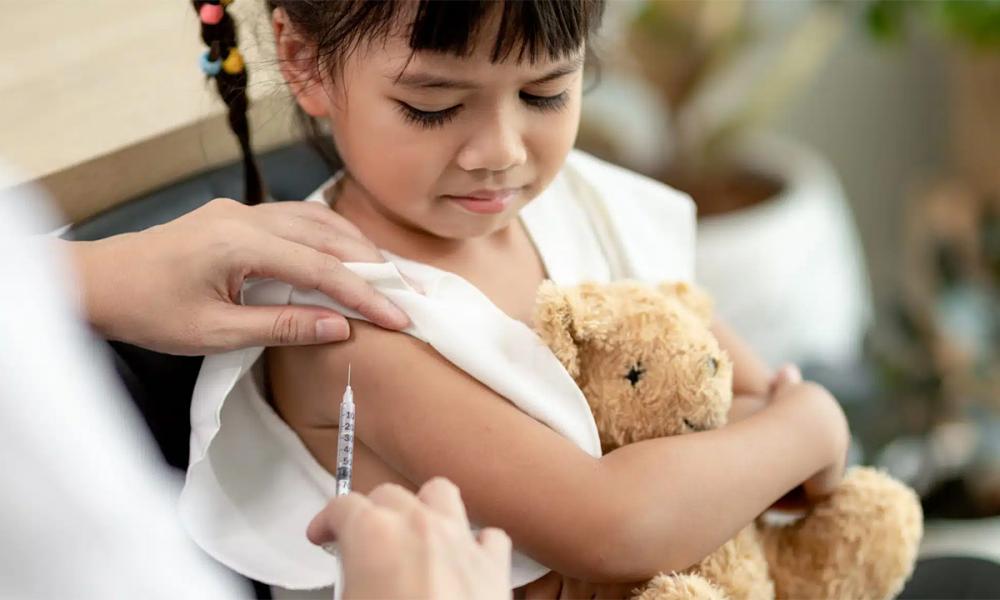
During this stage doctors often talk with families about Baby vaccination in Singapore and why it matters while the baby is still developing. At first these appointments may feel unfamiliar. After a few visits the pattern usually becomes easier to understand.
How immunity grows during the first year
Babies are not born with a fully developed immune system. During pregnancy they receive some protective antibodies from their mother. These antibodies help the baby for a short time after birth.
Over the following months that protection slowly fades.
So the baby’s own immune system begins learning how to respond to the surrounding environment. This learning process happens step by step as the body encounters common germs.
Several everyday factors help support this early development:
- Balanced feeding appropriate for the baby’s age
- Regular sleep patterns during infancy
- A clean and safe home environment
- Routine health monitoring
Understanding recommended timing for early protection
Parents often notice that doctors follow a clear schedule during the first year. The number of visits may seem surprising in the beginning. The timing actually follows how the body develops.
Most families attend visits during a few important stages:
- Shortly after birth
- During the early months of infancy
- Around the middle of the first year
- Later months before the child becomes a toddler
Once parents attend a few appointments, the routine begins to feel more familiar.
What parents experience during routine baby visits
Health visits during infancy are usually calm and straightforward. Doctors often begin by asking how the baby has been doing at home.
During the visit doctors commonly check several areas:
- Weight and height progression
- Muscle strength and movement
- Feeding tolerance and digestion
- Alertness and response to sounds or faces
Sometimes the appointment is quick. At other times parents ask several questions and the discussion takes longer.
Both situations are quite normal.
Tracking development with regular health checks
Doctors often observe areas such as:
- Physical growth measurements
- Early motor skills like rolling or sitting
- Sensory responses including hearing and visual attention
- Social interaction with caregivers
Development during the first year rarely follows a perfectly steady pace.
Some weeks seem quiet. Then suddenly a new skill appears.
Common concerns discussed with healthcare providers
Many parents bring questions to routine visits. The first year of parenting often raises many small concerns.
Some common questions include:
- Whether the baby’s growth is progressing normally
- When certain developmental milestones should appear
- Whether mild symptoms are common in infancy
- How feeding routines influence development
Through these early stages, Baby vaccination in Singapore helps support the body while the immune system continues learning how to respond to everyday infections.
Parents also gain confidence along the way. What once felt uncertain during the early months gradually becomes part of normal family life.
