
You might be doing all the usual things, brushing twice a day, trying to limit sugar, reminding your kids not to skip flossing, and still wondering if it is enough. That feeling is common. Oral health can seem simple until life gets busy, a child gets their first cavity, or an older parent starts dealing with dry mouth, gum problems, or worn teeth. Working with an Affordable dentist in Charlottetown PEI can help make preventive care feel more manageable and consistent for the whole family. Before preventive care becomes part of your routine, dental visits can feel reactive. After it does, you often gain something quieter but more meaningful, fewer surprises, lower stress, and more confidence about what comes next.
The good news is that many problems that affect teeth and gums can be reduced or slowed with steady care. The 5 preventive treatments that support smiles at every life stage are regular exams and cleanings, fluoride treatments, dental sealants, gum disease screenings, and oral cancer screenings. Together, these services support children, teens, adults, and older adults in different but equally important ways.
Why Do Preventive Dental Treatments Matter So Much Over Time?
Small dental issues rarely stay small when they are ignored. A little plaque can turn into tartar. Mild gum irritation can become gum disease. A tiny weak spot in enamel can become a cavity that needs more than a simple filling. Because of this, many families end up paying more in time, money, and discomfort when they wait for symptoms to force action.
That is where preventive dental care for all ages makes such a difference. Preventive treatment is not just about cleaning teeth. It is about spotting change early, protecting areas that are easy to miss at home, and building habits that match each stage of life. A child may need help protecting brand new molars. A teen with braces may need extra support around hard to clean spots. An adult may need closer attention to gum health. An older adult may need care that accounts for medications, dry mouth, or past dental work.
If you are wondering whether prevention really works, public health guidance says yes. The CDC explains how prevention supports oral health through habits and professional care that lower risk over time. That matters because prevention tends to be easier on your schedule and your budget than repair.
Which 5 Preventive Treatments Help Protect Family Smiles Best?
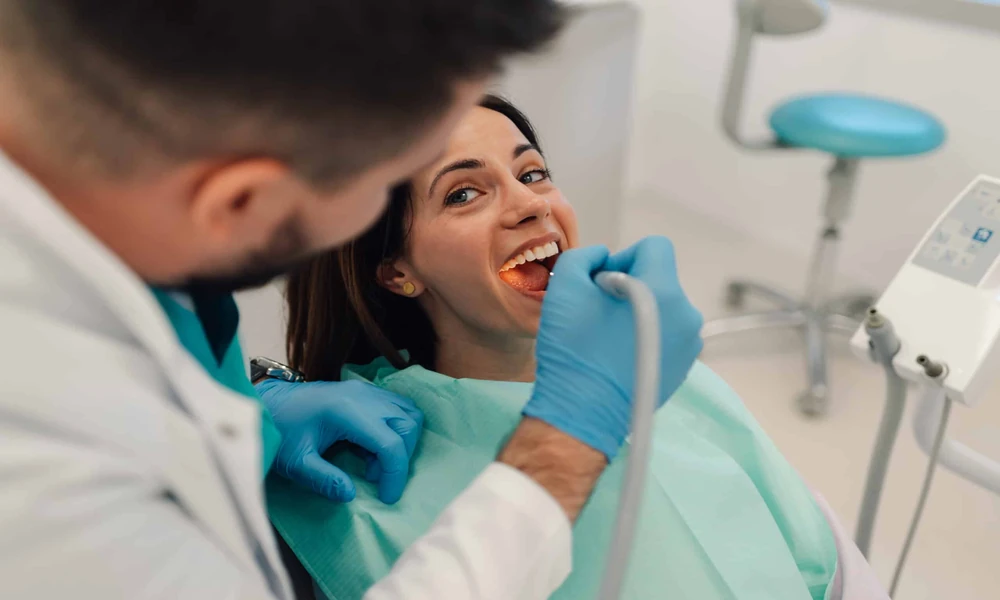
The first is regular exams and professional cleanings. These visits remove hardened buildup you cannot brush away at home, and they give your dentist a chance to catch early signs of decay, bite changes, gum trouble, or damage from grinding. For many people, this is the foundation of a family preventive dentistry plan.
The second is fluoride treatment. Fluoride helps strengthen enamel and can lower the risk of decay, especially for children, teens, and adults who get cavities often or have dry mouth. It is quick, painless, and often added during a routine visit.
The third is dental sealants. Sealants are thin protective coatings placed on the chewing surfaces of molars, where grooves can trap food and bacteria. They are especially helpful for school age children and teens, though some adults may benefit too. If you have ever looked at the deep pits in a back tooth and thought, how could a toothbrush reach all of that, sealants are one answer.
The fourth is gum disease screening. Gum disease does not always hurt in the beginning, which is part of the problem. Bleeding gums, bad breath, recession, and loose teeth can come later. Screenings help catch inflammation before it causes more damage.
The fifth is oral cancer screening. This can be easy to overlook because many people do not expect serious issues to show up during a dental visit. Yet a simple screening can help identify unusual changes in the mouth, tongue, lips, or throat early, when follow up care is often more effective.
How Do These Preventive Services Compare Across Life Stages?
So, where does that leave you if you are trying to figure out what matters most for your family right now? A simple comparison can help. Different ages bring different risks, but the goal stays the same, to catch problems early and protect what is healthy.
| Preventive Treatment | Who Often Benefits Most | What It Helps Prevent |
|---|---|---|
| Exams and cleanings | All ages | Plaque buildup, cavities, missed early problems |
| Fluoride treatment | Children, teens, cavity prone adults, older adults with dry mouth | Enamel weakness and tooth decay |
| Dental sealants | Children and teens with new molars | Decay in deep grooves of back teeth |
| Gum disease screening | Adults and older adults, though useful for all | Gingivitis and periodontitis |
| Oral cancer screening | Adults and older adults, especially with added risk factors | Delayed detection of abnormal tissue changes |
Research based public health resources continue to support these kinds of preventive approaches. You can review evidence based oral health resources from Healthy People for a broader look at what improves outcomes across communities and age groups.
What Can You Do Right Now To Protect Your Smile And Your Family?
1. Match prevention to the age and risk of each person. A six year old with new molars may need sealants. A teen with braces may need more frequent cleanings. An adult with bleeding gums should not brush it off. An older adult taking medications that cause dry mouth may need fluoride support and closer monitoring.
2. Build a home care routine that is realistic, not perfect. Brushing twice a day with fluoride toothpaste and cleaning between teeth every day still matters. If your routine keeps breaking down at night, simplify it instead of quitting on it. The National Institute of Dental and Craniofacial Research offers practical oral hygiene guidance that can help you reset without guilt.
3. Do not wait for pain to decide it is time. Pain usually means a problem has already progressed. If you have been putting off a visit because nothing hurts, that is exactly when preventive care can help most. Early visits are often easier, shorter, and less expensive than treatment after symptoms begin.
What Does A Healthier Smile Look Like At Every Stage?
It usually looks less dramatic than people expect. It is a child who keeps more of their natural teeth free from cavities. It is a teenager who finishes orthodontic treatment without new decay. It is an adult who avoids advanced gum disease. It is an older adult who can keep eating, speaking, and smiling with comfort. In other words, good prevention supports daily life in ways that are easy to miss until something goes wrong.
If you have been unsure where to start, begin with the basics and build from there. The right general and family dentist can help you decide which preventive steps fit your age, health history, and habits, so care feels manageable instead of overwhelming.
