
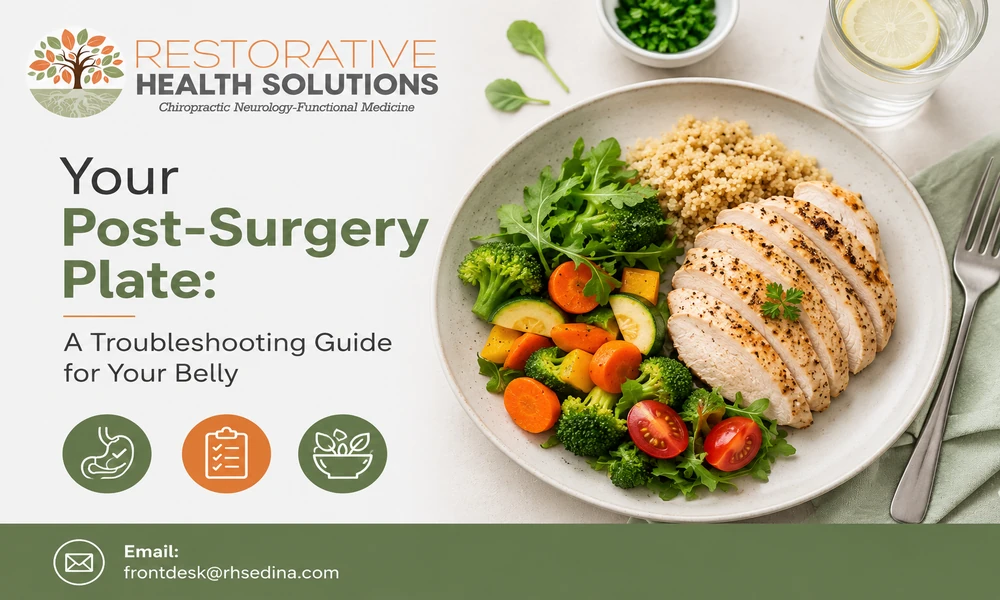
You wake up from surgery and recognize that you have just lost your main filter for your digestive system. Instead of having a gallbladder to store bile, your liver now let’s this digestive fluid flow directly into your intestines in a constant trickle. When you eat a large meal, your body does not release the quick doses of bile.
Diet after gall bladder removal is not deprivation, it is like learning a new language for your tummy. If this means that mucus must be released from airways (or if you´re post-op and feel uncomfortable) you can follow the schematic layout and troubleshoot the symptoms to repair your menu during the day.
Symptom: Sudden Bathroom Trips
If the diarrhea is very urgent, it may mean that unabsorbed bile acids or sudden pockets of fat in a meal have exceeded your intestines’ capacity.
The Fix: Increase your consumption of soluble fiber immediately. Soluble fiber becomes a gel like substance in the gut, unlike harsh roughage. This gel is essentially a sponge, readily absorbing excess fluid and bile.
- What to Eat: Opt for oatmeal, lentils, peeled apples, and boiled carrots.
- What to Avoid: Steer clear of your morning espresso and high-fat dairy, because both hasten muscle contractions in the gut.
Symptom: Heavy Bloating and Gas
When you are uncomfortably full or gassy hours after a small meal, then there is an indication that your digestive system is overworking itself in struggling to break down big pieces of food.
The Fix: Reset your eating clock and re-examine how you cook. Your new system would rather work with a nice, even schedule, instead of massive spikes in food volume.
- The strategy: Divide your three normal jumbo plates into five smaller ones over the course of the day.
- The Method: Steam, bake, or broil your food. For this time get rid of frying pans and heavy cooking oils.
The Hidden Fats Checklist
French fries are one of the first offenders you will spot right in your diet after gallbladder removal. But the biggest mystery flare-ups are often caused by hidden fat in our everyday items. Now look at your labels for these common triggers:
- Salad dressings: Creamy ones such as Caesar or Ranch loaded with soybean oils and dairy fats. Choose a sprinkle of lemon or even a super drizzle of light vinaigrette.
- Land of baked goods: Many store-bought muffins and biscuits depend entirely on butter (or shortening) to help them stay soft.
- Fats from plant milk: Certain nut milks are high in fat per serving. Opt for low- or non-fat versions.
The Long-Term Outlook
Your body is highly adaptable. Your liver and intestines will inevitably adapt to the new normal in a matter of months. You are reintroducing your favorite foods one after another. With some patience while you pace your diet after gallbladder removal, many people will be able to eat most anything without fear of running for the nearest bathroom. That bile duct may eventually stretch a little bit to accommodate the non-stop flow of digestive fluid. Before long, ordering at your favorite restaurant will be laid-back and utterly normal again.
